
Review · ITALY
Via Ferrata Rio Sallagoni
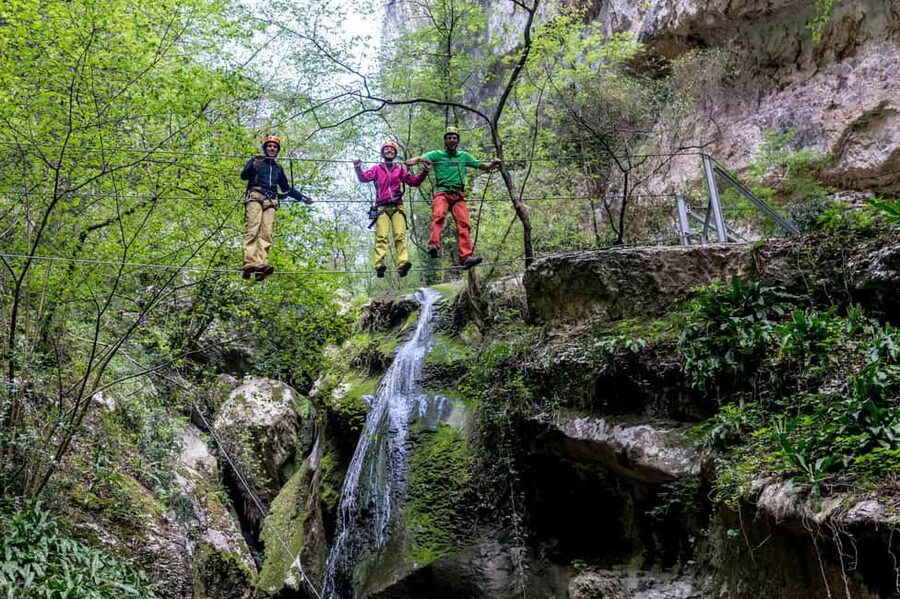
A canyon route with a castle finish. Via Ferrata Rio Sallagoni combines cool shade, small waterfalls, iron footholds, and two Tibetan bridges in a compact three-hour outing. I like the fairy-tale canyon setting and the fact that a mountain guide, ferrata equipment, and insurance are included. The main caution is that the route still demands balance, arm strength, and comfort with heights, even though exposure is limited.
I also like the short approach and quick return, which leave more time for nearby Trentino sights. Guide Giovanni has added a useful geology lesson about the valley on at least one outing, a welcome touch on a route that could otherwise pass too quickly. At $82 per person, the price is reasonable for a small group of up to six, though less appealing if you want a long mountain day.
Key points at a glance
- Cool canyon walls and waterfalls: Rio Sallagoni stays shaded, making it a smart summer choice.
- Two Tibetan bridges: One is about 10 metres long and adds a real test of balance.
- Medium C difficulty: The route is manageable for prepared beginners, with easier variants available.
- Short, efficient outing: Allow three hours, including a 10-minute approach and roughly 30-minute return.
- Castle finish: The route leads toward the characteristic Castle of Drena.
- Small-group support: A UIAGM mountain guide leads up to six people in English or Italian.
Why Rio Sallagoni feels different from a standard hike
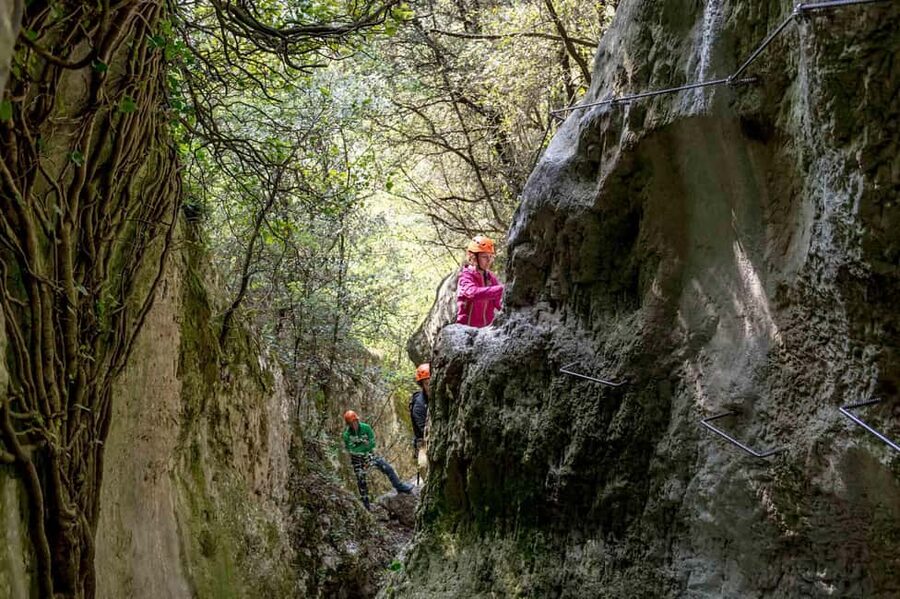
Via Ferrata Rio Sallagoni is not a normal walk through the woods. You move along the sides of a narrow gorge, using fixed iron steps, cables, and footholds to pass above the stream without getting wet. The effect is a little like canyoning from the side walls, with less water and more careful footwork.
The canyon provides the atmosphere. Light filters down between the rock walls, and small waterfalls add sound and movement. The route feels cool and shaded, especially useful during a hot summer in Trentino. You do not need to spend a full day above the tree line to get a taste of protected climbing terrain.
I like this setting because it gives the outing a strong sense of place. You are not simply following a marked path from one viewpoint to another. The gorge controls the route, and each bend changes the way you move. Sometimes you walk. Sometimes you pull yourself around a jutting section. At other points, you pause to place your feet on widely spaced iron steps.
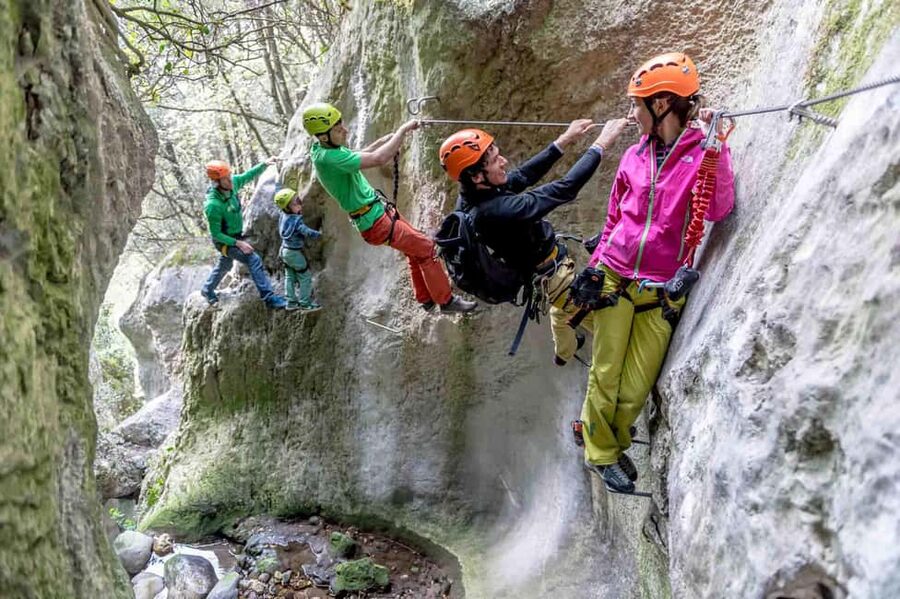
The route is short, but it is not passive. The supplied difficulty rating is medium, or C, with relatively little exposure. That means the drops are not the dominant feature, but you still need to stay focused. The occasional distance between footholds can test your reach and strength. A guide can point out easier variants when available, which is useful for a first via ferrata or for anyone who feels less confident on a particular section.
More Via Ferrata Routes in Italy
- Dolomites Via Ferrata Experience
★ 5.0 · 58 reviews - Via Ferrata Cima Capi
★ 5.0 · 27 reviews - Via Ferrata Rio Sallagoni
★ 5.0 · 22 reviews
The 10-minute approach sets the tone
The approach takes about 10 minutes, so you are not spending the first hour on a long uphill walk before reaching the protected route. That makes the experience efficient. Most of your three hours go toward the canyon and its ferrata sections rather than a long transfer on foot.
This short approach also makes the outing easier to fit into a day around Drena and nearby Trentino stops. You can give the activity a clear three-hour block instead of treating it as a major expedition. Still, do not confuse a short approach with an easy activity. The technical sections begin relatively soon, and you should arrive ready to move carefully.
Wear hiking shoes, as required. Food and drinks are not included, so bring your own. The route is cool and shaded, but that does not remove the need for water, particularly during warm weather.
Inside the gorge, iron steps replace a footpath
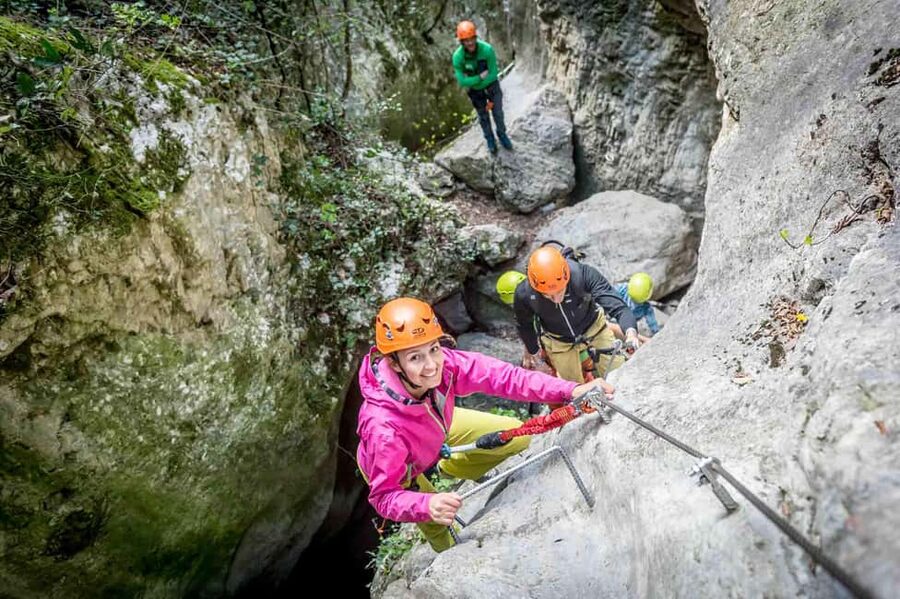
Once you enter the canyon, the route becomes a series of small physical problems. Fixed cables provide protection while iron steps and footholds help you progress along the walls. The rock sections jut out in places, and the spacing of the steps is not always generous.
This is where the C rating matters. You may not face constant exposure, but your arms and legs still have work to do. I would think of the difficulty less as a question of endurance and more as a mix of balance, reach, body control, and calm decision-making.
You should expect to stop now and then to choose your next foothold. That is not a flaw. It is part of the appeal, and a guide can help you find a more comfortable line. The route allows easier variants, so the experience is not limited to people who already have a long list of via ferratas behind them.
Even so, beginners should be honest about their fitness and comfort level. If you dislike heights, have trouble with balance, or have a heart condition or another pre-existing medical condition, this is not the right outing. The activity is also not suitable for people with mobility impairments, pregnant women, anyone under 135 centimetres, or people with altitude sickness.
Waterfalls and shaded rock make summer more pleasant
The small waterfalls are one of the best reasons to choose this route during summer. You pass through a cooler, darker gorge rather than spending the whole activity under direct sun. The play of light on the rock and water gives the canyon a quiet, almost storybook quality.
The water is also a reminder of the route’s limits. You are passing above and beside the stream, not taking part in a wet canyoning trip. The aim is to stay on the walls and keep your feet dry. If you were hoping for swimming, slides, or a water-heavy adventure, this outing may feel too restrained.
I find that distinction helpful when deciding. Rio Sallagoni offers the atmosphere of canyoning with the controlled movement of a via ferrata. You get the narrow gorge and waterfalls, but your main task is managing cables, steps, and bridges.
Same rush, a different way to get it:
- Canyoning “Gumpenfever” – beginner Canyoningtour for everyone
★ 5.0 · 391 reviews - From Tignale, Lake Garda: Beginner-Friendly Canyoning Tour
★ 4.9 · 377 reviews - Private Tour explore Vulcano Island by Kayak & Coasteering
★ 5.0 · 338 reviews - Bagni di Lucca: Canyoning in the Cocciglia’s Gorge
★ 4.9 · 215 reviews
The two Tibetan bridges provide the biggest tests
The two Tibetan bridges add variety and a little drama. One is roughly 10 metres long, long enough to make balance matter without turning the crossing into a major expedition. You will need to move with care and trust the equipment while keeping your attention on the cable and your footing.
A bridge changes the rhythm of the route. On the iron steps, you work along the rock. On the cable bridge, you must manage a more open position and steady movement. That contrast helps the short route feel varied.
The bridges are also a useful test of how you respond to heights. The canyon has scarce exposure overall, but a suspended crossing can feel more exposed than a wall section. If you are afraid of heights, take that seriously. The activity specifically excludes people with that fear, and the bridge is not something you can simply treat as a normal footpath.
Your guide is there to explain the ferrata set and help you move safely. The package includes a UIAGM mountain guide, ferrata equipment, and RC insurance. Those inclusions add real value for a first outing because you do not need to arrange the safety gear separately.
A small group keeps the pace manageable
The group is limited to six participants. That is a good size for this route. A guide can watch how each person handles the steps and bridges, and the group is small enough for questions and short pauses without creating a traffic jam in the gorge.
The guide speaks English and Italian. If Giovanni is leading your outing, you may also get a short geology explanation about the valley. That kind of detail improves the experience because it connects the rock under your hands with the forces that shaped the gorge.
A small group does not guarantee a private experience. You are still sharing the route with the other participants, and the pace may need to match the least confident person. I consider that a positive here. A via ferrata should not be rushed, and a measured pace gives you time to place your feet and take in the waterfalls.
The Castle of Drena gives the outing a satisfying finish
The route leads toward the characteristic Castle of Drena, which gives the excursion a clear ending point. After the close walls and shaded gorge, the castle adds a strong visual marker and a sense that the route has taken you somewhere specific.
The castle also helps put the outing into a wider day plan. You are not finishing at an anonymous parking area with no nearby point of interest. The route brings you close to a recognizable local sight, so you can pair the ferrata with more time around Drena.
Keep your expectations sensible. The information provided describes arriving near the castle, not a guided castle visit or an included entry ticket. The attraction is the route’s finish and the setting, not a promised tour inside the building.
The 30-minute return keeps the day flexible
The return takes about 30 minutes, which is another reason this works well as a half-day activity. The approach and return together make up a modest part of the outing, leaving the main portion for the canyon itself.
This timing is useful if you are planning other stops in Trentino-South Tyrol. You can schedule the ferrata without giving up an entire day. It also reduces the risk of a long, tiring walk after the more technical sections.
The trade-off is that you should not book this expecting a full-day mountain adventure. The route is short. Its appeal comes from the quality and variety of the setting, not from distance or a large elevation gain.
Is $82 fair for three hours?
At $82 per person, the price makes the most sense for people who need equipment and guidance. You receive a UIAGM mountain guide, ferrata set, and RC insurance, with a maximum group size of six. Those inclusions remove several practical concerns for a first attempt.
The value is less obvious for experienced ferrata users who already own a suitable set and prefer to move independently. In that case, you are paying mainly for the guide, group structure, and access to a supported experience.
I would also factor in the route length. Three hours is enough for a memorable outing, but not enough to justify the price based on time alone. You are paying for a special canyon setting, professional support, and a compact activity that fits neatly into a larger day.
Food and drinks are not included. Bring them yourself, along with hiking shoes. The reserve-now-and-pay-later option and free cancellation up to 24 hours before the activity make planning easier, particularly if your schedule around Drena may change.
Who should book Rio Sallagoni?
I would recommend this experience to:
- First-time via ferrata participants who want a guided introduction
- Fit walkers who are comfortable with cables, steps, and a little height
- People looking for a cool summer activity rather than a hot open-air climb
- Couples or small groups who enjoy unusual routes and natural settings
- Families with older children who meet the 135-centimetre minimum and suitability rules
- Visitors who want a three-hour activity near Drena rather than a full mountain day
I would choose something else if you want a gentle walk, have limited mobility, dislike heights, or expect a wet canyoning trip. The route is short and shaded, but the physical sections are genuine. You need to pull, balance, and concentrate.
Should you book Via Ferrata Rio Sallagoni?
Book it if you want a guided first taste of via ferrata in a cool, enclosed gorge. The two Tibetan bridges, small waterfalls, and Castle of Drena finish give the three-hour route plenty of variety. The small group and included equipment make the $82 price easier to justify.
Skip it if you want a relaxed stroll or a long alpine route. Rio Sallagoni asks for steady feet and a calm head, even with scarce exposure and easier variants. For the right person, it is a compact, memorable way to experience Trentino from a different angle.
FAQ
How long does Via Ferrata Rio Sallagoni take?
The activity lasts about three hours. The approach takes around 10 minutes, and the return takes roughly 30 minutes.
How difficult is the route?
It is rated medium, or C. Exposure is limited, and easier variants are possible, but some jutting sections and widely spaced iron steps require strength and experience.
How many bridges are on the route?
There are two Tibetan bridges. One is approximately 10 metres long.
Is the route suitable for summer?
Yes. The Rio Sallagoni canyon is cool and shaded, with small waterfalls that help create a refreshing setting.
What equipment is included?
The activity includes a UIAGM mountain guide, a ferrata set, and RC insurance. You should bring hiking shoes, food, and drinks.
Which languages are available?
The live guide service is available in English and Italian.
Just added around Italy
- Villacidro: Rio Zairi Canyoning Adventure★ 5.0 · 3 reviews
- Via Ferrata “Rio Sallagoni”★ 5.0 · 6 reviews
- Via ferrata Lake of Como★ 5.0 · 2 reviews
- Vanilla- Wild Coasteering★ 5.0 · 2 reviews
- Tuscany: Canyoning Adventure Day Trip★ 4.9 · 72 reviews
- Canyoning in the Dolomites (Lake Santa Croce, Val Maggiore)★ 5.0 · 4 reviews
- 3-Hour Guided Canyoning in the Cocciglia Gorges★ 5.0 · 33 reviews
- 3-Hour Adrenaline Rafting on the Lima River in Bagni di Lucca★ 5.0 · 16 reviews
Via Ferrata Climbing, compared.
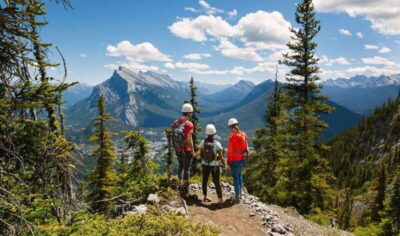
Banff: Mount Norquay 2.5 or 4-Hour Guided Via Ferrata Climb
Read our review →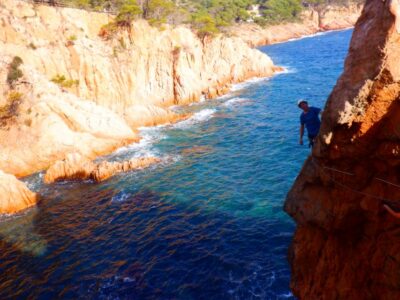
Sant Feliu de Guixols: Climb Via Ferrata Cala del Molí
Read our review →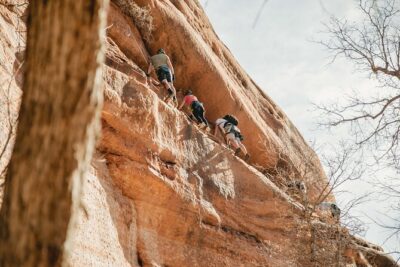
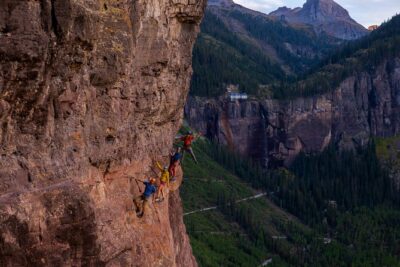
Small-Group Guided Via Ferrata Climbing with Banff’s Best Views
Read our review →
Via Ferrata in Gran Canaria. Vertical adventure park. Small groups
Read our review →Browse the lists this tour appears in