
Review · SPAIN
Alicante: Via Ferrata Hike in Redovan
Hold tight, the mountain gets theatrical. Redovan’s Via Ferrata offers two things I especially like: a family-friendly K2 route and a tougher K4 section with high bridges, cables, and the unusual game of the hinge. You also get a guide, safety gear, insurance, and photos in the $77 price.
The main consideration is that the harder route is genuinely demanding. You need steady balance, comfort with height, and enough strength for vertical climbs. People with vertigo, mobility impairments, or pregnancy should not book this activity.
Key points to know before you climb
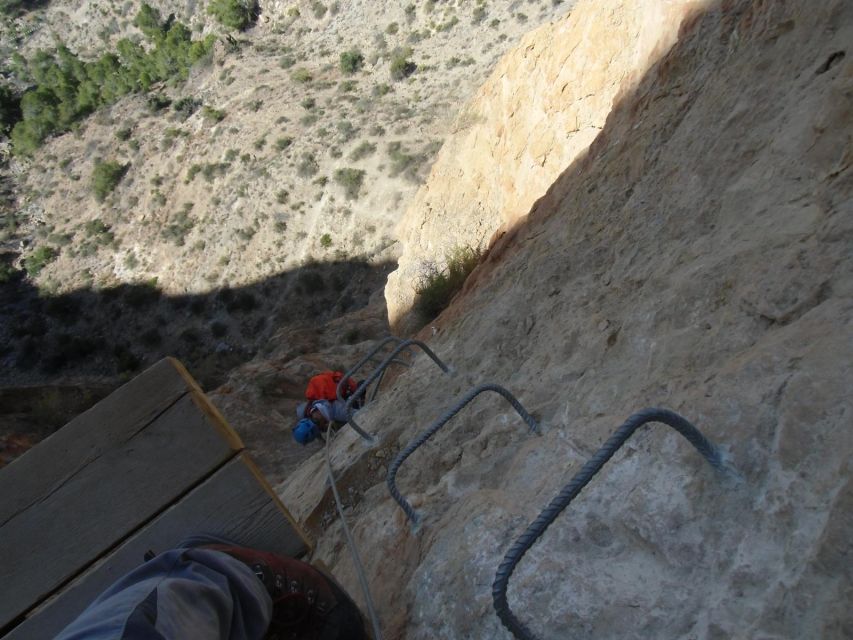
- More than 700 meters of cable route: The full Via Ferrata is split into two difficulty zones, so you can choose how far to go.
- K2 suits families and first-timers: The easier section includes cables, ladders, and suspension bridges, with a route designed for children and beginners.
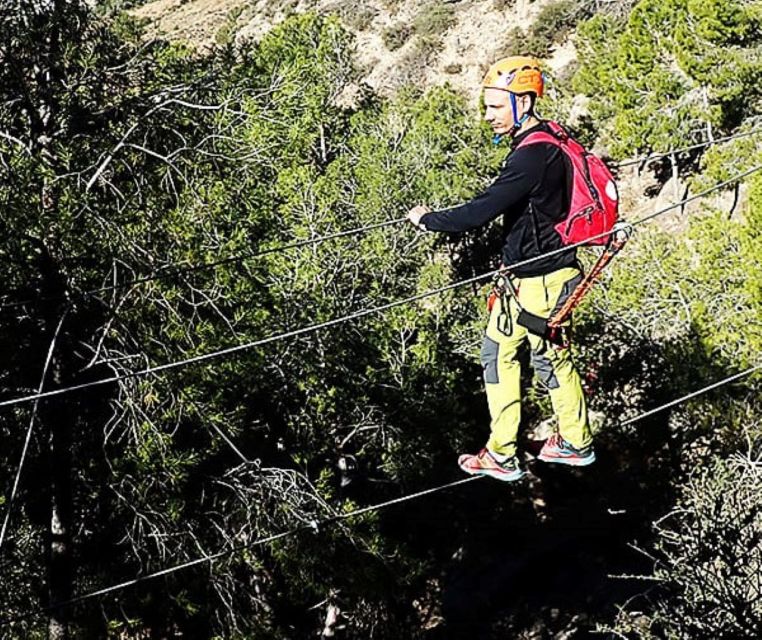
- K4 brings the serious challenge: Expect vertical climbs, narrow aerial passages, logs, rocks, tension cables, and four suspension bridges.
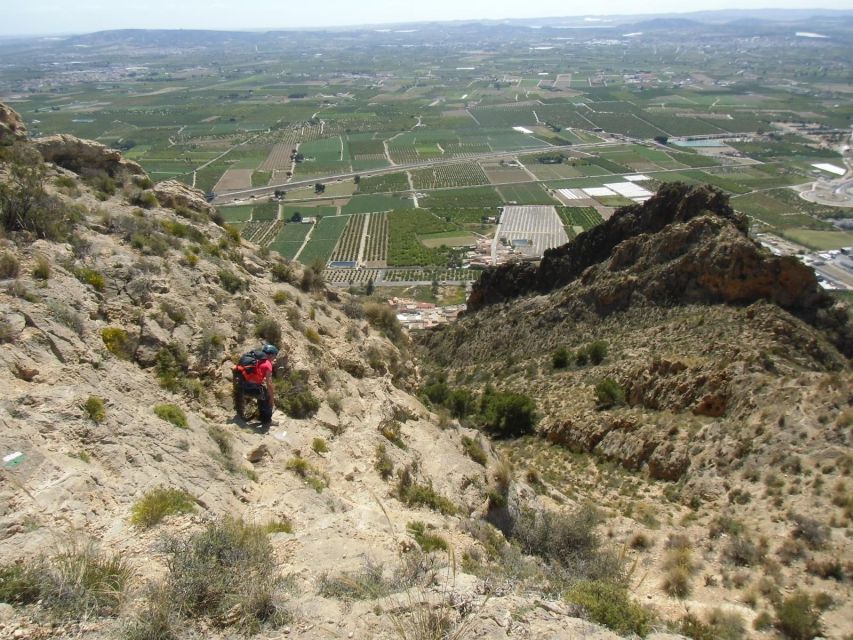
- The views are a major reward: From high on the route, you can look across the Vega Baja toward the sea and coast.
- Small groups make a difference: The group is limited to 10 people, with a live guide in English or Spanish.
- Bring water and good footwear: Hiking shoes are required, and climbing gloves may make the cable work easier on your hands.
Redovan’s route, and why it is different
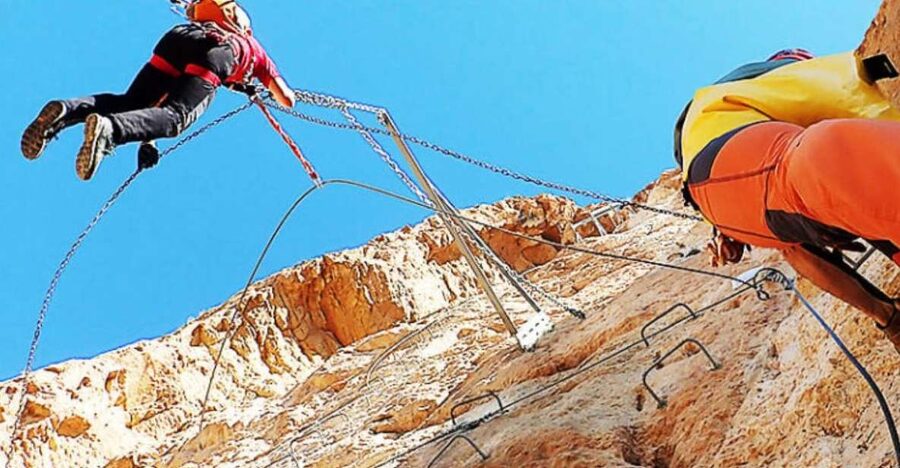
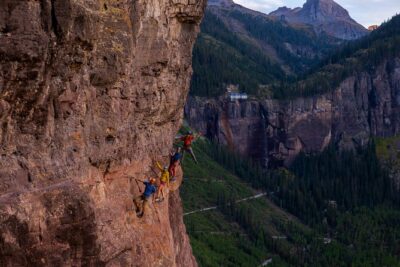
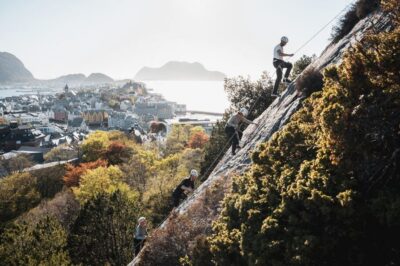
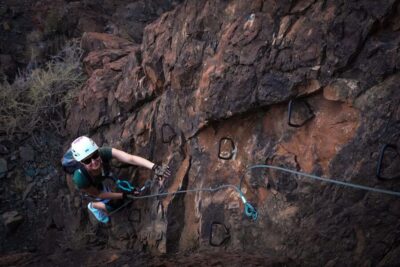
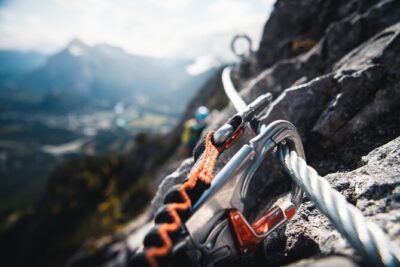
A Via Ferrata is a protected mountain route fitted with steel cables, ladders, and climbing aids. You remain attached to the safety system as you move across rock and exposed sections. It sits somewhere between hiking and climbing, with much less technical equipment than a traditional rock-climbing day but far more height and handwork than a normal walk.
The Redovan route is appealing because it does not force every person in the group into the same level of difficulty. The full course stretches for more than 700 meters and is divided into a K2 zone and a K4 zone. That split gives families and beginners a sensible starting point, while stronger participants can continue to the more demanding section.
I like this setup for mixed groups. One person can enjoy the easier course without feeling left behind, while another can test their balance and nerve on the harder route. A French participant also noted that it is possible to complete only half the route if you decide the full course is too much. That flexibility is useful, particularly when you are trying Via Ferrata for the first time.
The activity lasts five hours, although one participant described completing the full outing in about four hours. I would still reserve the full five-hour window. Mountain activities do not run on a stopwatch, and time is needed for fitting equipment, safety instructions, waiting at obstacles, and moving through the route at a manageable pace.
More Via Ferrata Routes in Spain
- Sant Feliu de Guixols: Climb Via Ferrata Cala del Molí
★ 5.0 · 253 reviews - Gran Canaria: Guided Via Ferrata Excursion
★ 4.9 · 198 reviews - Via Ferrata in Gran Canaria. Vertical adventure park. Small groups
★ 5.0 · 183 reviews
Meeting at Parking La Pancha
You meet the guide at Parking La Pancha, where the guide will hold a visible sign. This is a meeting point rather than a hotel pickup, so you need to arrange your own way there and arrive ready for an outdoor activity.
The group is limited to 10 participants. That is a useful size for this type of outing. A guide can keep an eye on people moving across bridges and narrow sections, explain how to use the safety equipment, and help the group avoid bunching up at the more awkward obstacles.
The experience is led in English or Spanish. The guide supplies the safety equipment, insurance, and photos. Food and drinks are not included, so bring your own water and plan to eat before or after the activity. Water matters here. Even when the route is not technically extreme, several hours of climbing, balancing, and walking can leave you thirsty.
Wear proper hiking shoes and clothing suited to the weather. I would also take the advice about gloves seriously. One first-time participant specifically found climbing gloves helpful because of the strain on the hands. Gloves are not listed among the included equipment, so you should plan to bring them if you have a pair suitable for gripping cables.
Starting with the K2 family route
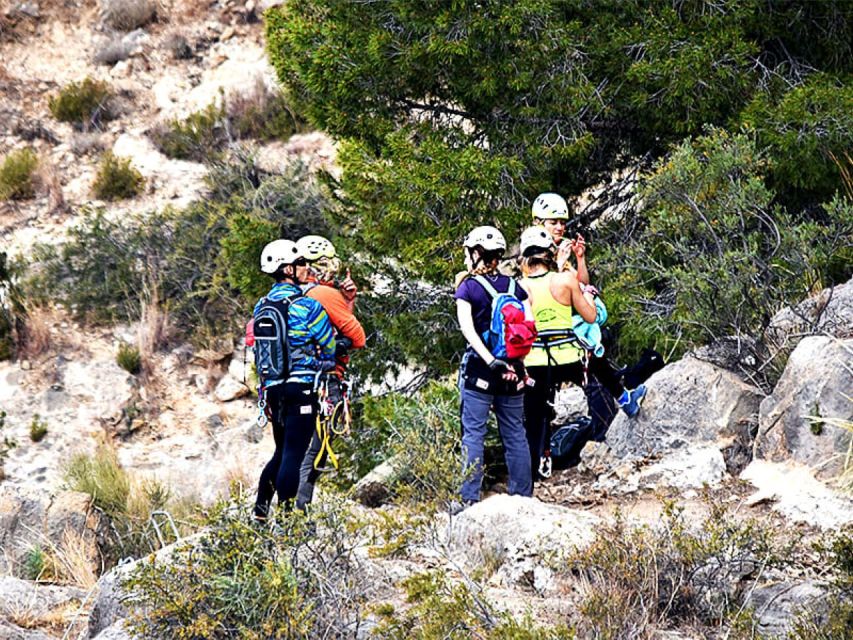
The easier zone is graded K2, and it is designed for children and families. That does not mean it is a flat stroll. You still climb using cables, ladders, and suspension bridges, but the route is intended to let people with little or no Via Ferrata experience learn the basic movements in a more manageable setting.
This first section is also the sensible warm-up for confident participants. You get used to attaching yourself to the safety system, placing your feet, using your arms efficiently, and judging each obstacle before you reach the more exposed parts of the route.
I like that the activity begins with the easier portion. It gives you a chance to find out how your body reacts to the height and the equipment. If you dislike the exposure or find the cable work tiring, you can stop after this section rather than committing to the K4 route.
The K2 route includes suspension bridges, so you still get a taste of movement under your feet and open views around you. For children, that can be the most exciting part. For adults, it is a useful test of balance before the harder obstacles arrive.
The guide is important here, especially for first-timers. You are not simply handed a helmet and sent up the rock. The activity includes instruction and supervision, and the guide can tell you what you can safely attempt. A Dutch participant who had never done Via Ferrata before praised the guide for explaining clearly what was possible and what was not during the climb and walk.
Moving into the K4 zone
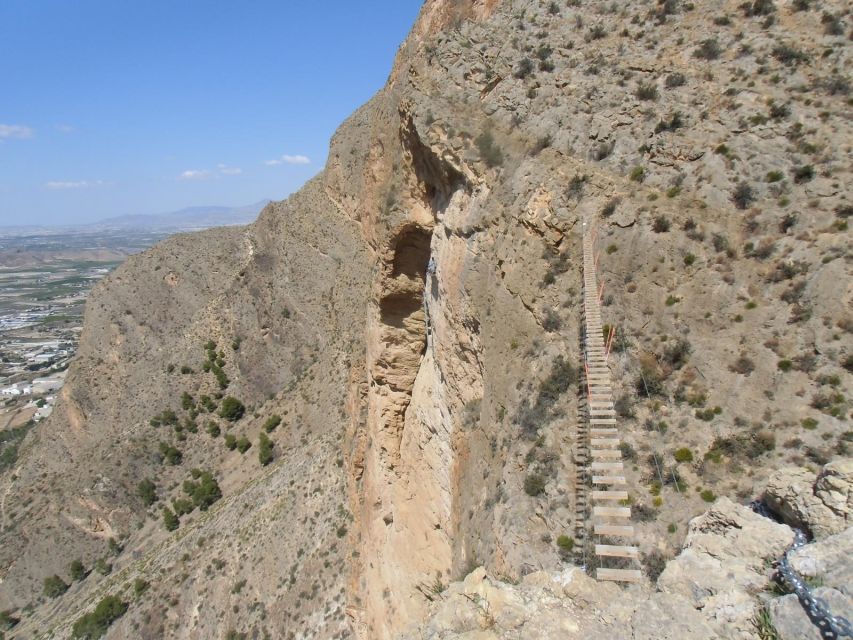
The K4 section is where the nature of the day changes. It covers about 330 meters and includes four suspension bridges made from wood and cable. You also face vertical climbs, very narrow aerial passages, logs, rocks, and tension cables that require constant concentration.
K4 is not the choice for someone who merely wants a scenic walk with a little excitement. You need to pull, step, balance, and make careful decisions with your hands and feet. The route can be more demanding than you expect, as one participant discovered. A basic level of climbing experience is helpful, though the activity is open to people with different experience levels if they can handle the physical and mental demands.
The four bridges give this section a changing rhythm. Wooden sections may feel more stable, while cable sections require more balance. You should expect the bridge to move and plan your steps instead of rushing. The best approach is calm and deliberate: keep your attention on the next safe handhold, listen to the guide, and let the safety system do its job.
The narrow aerial passages are another matter. They bring exposure close to the route itself, rather than keeping you on a broad ledge. If you have vertigo, this is the point to take the warning seriously. The activity is not suitable for people with vertigo, and that restriction is sensible given the height and the exposed crossings.
Same rush, a different way to get it:
- Barcelona Costa Brava Kayak, Snorkel & Cliff Jump Day Tour
★ 5.0 · 3,872 reviews - Barcelona: Costa Brava Kayak, Snorkel & Cliff Jump & Lunch
★ 4.9 · 2,391 reviews - Mallorca: Quad Bike Tour, Snorkeling, and Cliff Jumping
★ 4.8 · 2,294 reviews - From Marbella: Guadalmina River Guided Canyoning Adventure
★ 4.9 · 1,486 reviews
The game of the hinge and the high bridge
The route’s most unusual feature is the game of the hinge. It takes you away from the wall, leaving you about 90 meters high and separated from the rock face. That change can feel more intense than a standard ladder or cable traverse because your body is no longer pressed close to the mountain.
The attraction is obvious: this is the moment that turns a climbing route into a real aerial adventure. The drawback is just as clear. You need to remain focused and trust your attachment system while managing the height. If that description makes your stomach tighten, the K2 section may be the better endpoint.
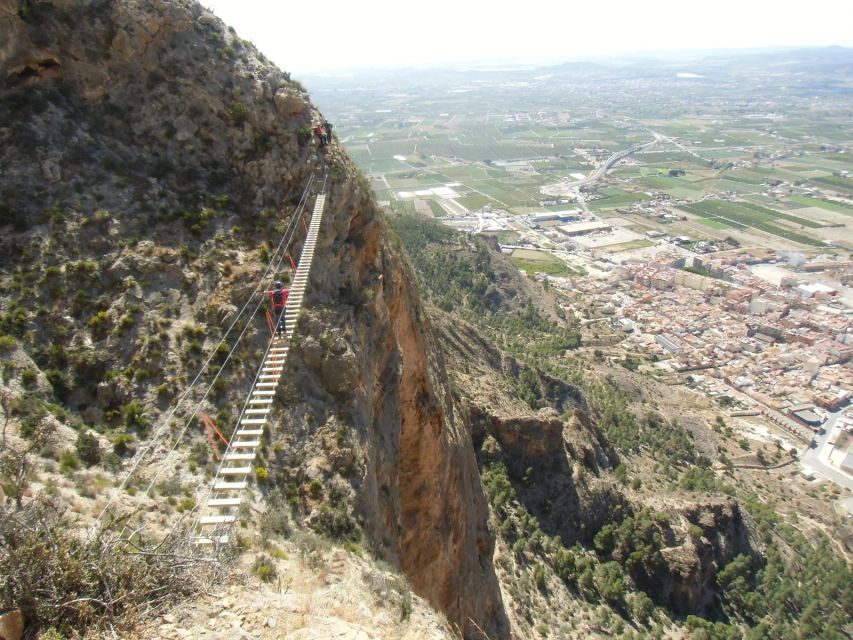
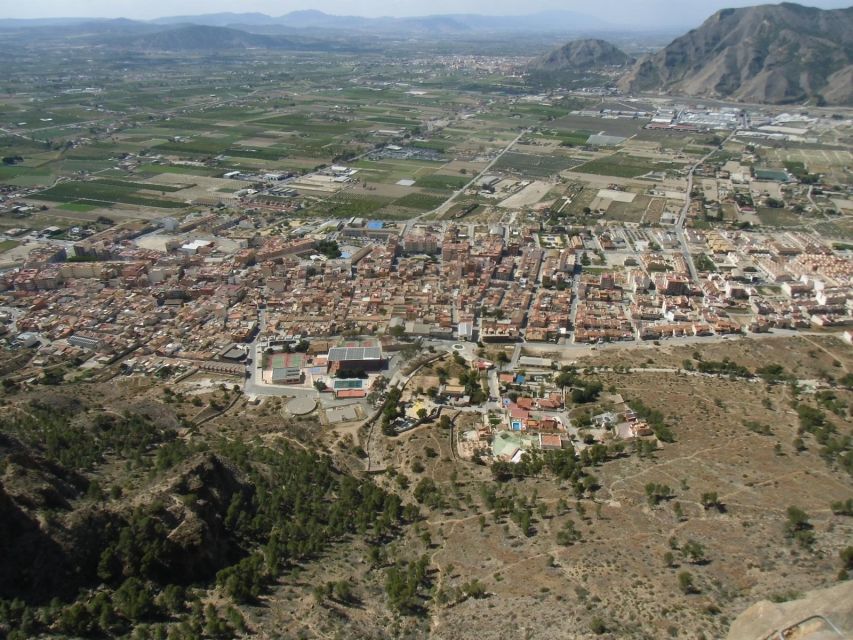
The K4 route also includes a 42-meter suspension bridge positioned 135 meters above the ground. From there, you can take in views across the Vega Baja, with the coast and sea visible in the distance. The height gives the scenery a different scale. Roads, buildings, and open country below become part of the view, while the bridge itself keeps your attention close to your feet.
This is the payoff for accepting the harder section. You do not get the same perspective from ground level, and the view arrives as part of the challenge rather than as a separate lookout stop. You earn it one handhold at a time.
What the guides add to the day
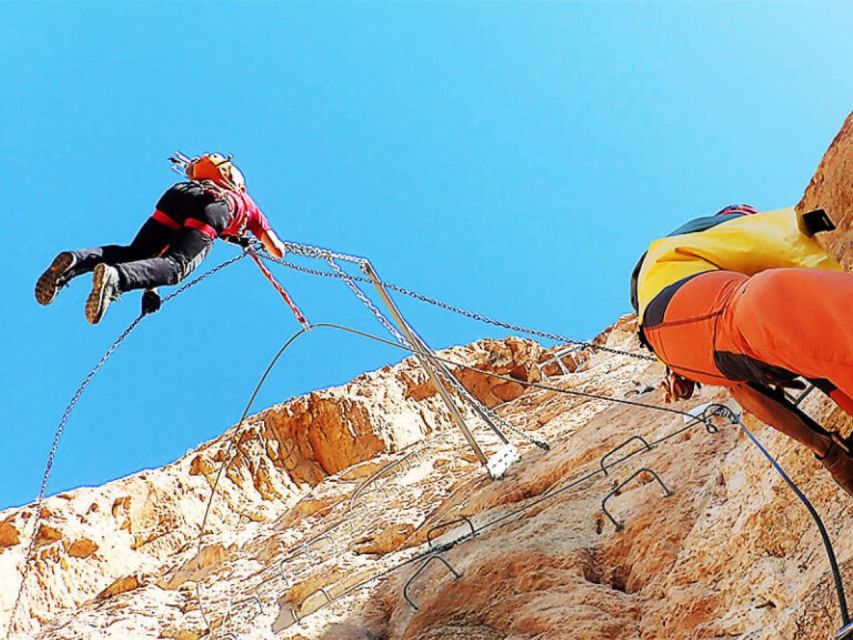
The guide is included, and the strongest praise in the supplied feedback centers on the guides’ friendliness, clarity, and help on the route. That matters more here than it would on a simple walking tour. A good guide needs to explain the safety system, control the pace, identify the right movement through each obstacle, and notice when someone is tiring or losing confidence.
The activity provider is Jose Francisco Carbonell Oltra. The guide team has also been praised for knowing the surrounding area, not just the mechanics of the climb. That local awareness adds something to the views because you can better understand what you are looking at across the Vega Baja and toward the coast.
The guide also takes photos, which is a welcome inclusion. You will have limited freedom to use your own phone while holding cables and managing your position, so photographs taken during the route give you a record of the day without asking you to risk your device.
A small group of no more than 10 people supports this personal approach. It cannot remove every wait at a bridge or climb, but it should make instructions easier to hear and help the guide keep track of the group.
Is $77 a fair price?
At $77 per person, this is not a cheap casual walk. It is a half-day technical outdoor activity with a guide, safety equipment rental, insurance, and photos included. Those inclusions make the price easier to justify, especially if you do not own Via Ferrata equipment or have no wish to arrange a route independently.
The value is strongest for people who want more than a viewpoint. You are paying for access to a long protected route, supervision through the obstacles, and the option to choose between K2 and K4. The ability to stop after the easier section also reduces the risk of paying for an activity that proves completely beyond your comfort level.
Food and drinks are not included, so bring water and any snack you need. Hiking shoes and weather-appropriate clothing are also your responsibility. You may want climbing gloves, particularly if you are new to cable routes and expect several hours of gripping.
Free cancellation up to 24 hours before the activity and the option to reserve now and pay later make planning less rigid. Starting times vary, so you need to check availability when choosing the date.
Who should book this Redovan adventure?
I would recommend it to an active family with older children who can follow instructions, a couple looking for a physical day near Alicante, or a small group that wants a shared challenge rather than a standard sightseeing tour.
It also suits first-timers who want a guided introduction. The K2 section lets you learn the basics, and the option to continue gives you room to judge your own ability. One participant who was new to the activity found the guide especially helpful and described the outing as exciting.
Experienced climbers may find the K4 route more rewarding than the family section, especially because of the four bridges, the exposed passages, and the game of the hinge. Still, do not treat the K4 grading as a promise that the route will feel easy. One participant with some climbing experience called it an incredible hike, while also making clear that it demands ability.
I would not book this if you want a relaxed nature walk, dislike heights, or have limited mobility. It is also not suitable during pregnancy. The K4 route includes obstacles that require balance, strength, and concentration, and the activity description specifically warns about narrow and unsafe aerial passages.
Final call: should you book it?
Book the Redovan Via Ferrata if you want a guided half-day challenge with real height, broad Vega Baja views, and a choice between a family-friendly K2 route and a demanding K4 route. The guides, included equipment, small group size, and photo service add practical value to the $77 price.
Skip it if you are uneasy with exposed bridges or want an easy hike. The smartest choice for uncertain participants is to begin with K2 and decide at the halfway point. For everyone else, the K4 section, especially the high suspension bridge and game of the hinge, is the part that makes this activity memorable.
FAQ
How long does the Redovan Via Ferrata activity last?
The scheduled duration is five hours. One participant completed the route in about four hours, but you should allow the full five-hour period for equipment, instruction, climbing, and route progress.
Where is the meeting point?
Meet the guide at Parking La Pancha. The guide will be holding a visible sign.
What languages are available?
The live guide is available in English and Spanish.
How difficult is the route?
The route has two zones. The K2 section is designed for children, families, and people with limited experience. The K4 section includes vertical climbs, narrow aerial passages, logs, rocks, four suspension bridges, and tension cables.
Can I stop after the easier section?
Yes. The route allows you to complete the easier part and return without continuing into the harder section.
What should I bring?
Bring hiking shoes, water, and clothing suited to the weather. Climbing gloves are also useful for reducing strain on your hands, especially if this is your first Via Ferrata.
Is the activity suitable for everyone?
No. It is not suitable for pregnant women, people with mobility impairments, or people with vertigo. The K4 zone also requires balance, concentration, and the ability to manage vertical and exposed sections.
More Hiking Trips in Spain
- Estany d’en Mas: Coastal Hike, Abseil & Sea Cave Exploration
★ 4.9 · 162 reviews - Malaga: Via Ferrata Hike at village of El Chorro
★ 5.0 · 20 reviews - Alicante: Via Ferrata del Ponoig Guided Trek and Climb
★ 4.9 · 8 reviews - Matacanes : Canyoning + Hiking + Water Jumps + Rappel + Caves
★ 5.0 · 1,497 reviews
Just added around Spain
- Redován: Family-friendly K2 via ferrata in a natural setting with rappelling★ 5.0 · 3 reviews
- Ordesa, Broto : Via Ferrata K3. Climbing Experience★ 5.0 · 4 reviews
- Murillo de Gállego Huesca: Bungee jumping over the river★ 5.0 · 3 reviews
- Marxuquera: La Falconera Via Ferrata★ 4.9 · 9 reviews
- Marbella: Beginner Canyoning Tour with Safety Equipment★ 4.9 · 82 reviews
- Mallorca: Visit Palma Speedboat adrenaline & snorkelling★ 4.9 · 48 reviews
- Mallorca: Speleo-Coasteering Tour along the Coast of Alcudia★ 5.0 · 5 reviews
- Mallorca: coasteering South★ 4.5 · 14 reviews
Via Ferrata Climbing, compared.
Banff: Mount Norquay 2.5 or 4-Hour Guided Via Ferrata Climb
Read our review →
Sant Feliu de Guixols: Climb Via Ferrata Cala del Molí
Read our review →
Small-Group Guided Via Ferrata Climbing with Banff’s Best Views
Read our review →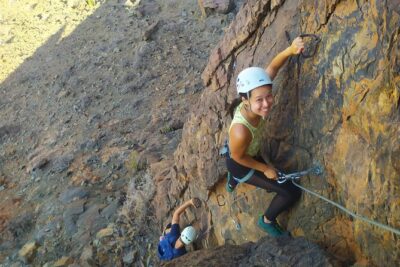
Via Ferrata in Gran Canaria. Vertical adventure park. Small groups
Read our review →Browse the lists this tour appears in