
Review · SPAIN
Alicante: Via Ferrata del Ponoig Guided Trek and Climb
Climb the mountain, clipped safely to steel. This guided ascent of Via Ferrata del Ponoig mixes a short lesson, a steep rock route, and wide views across the Valley of Guadalest toward the Mediterranean. I like the small-group limit of 10 and the fact that safety gear, a guide, and photos are included. The main catch is simple: this is a serious, nearly vertical climb, not a gentle mountain walk.
I also like the clear practice session before you head upward. Guides such as Osmar and Frank have been praised for patient instruction, calm support, and good English. You will need hiking shoes, water, suitable clothing, and enough nerve for exposed steps. People with vertigo, mobility limitations, or little tolerance for strenuous activity should choose another outing.
Key points to know before you book
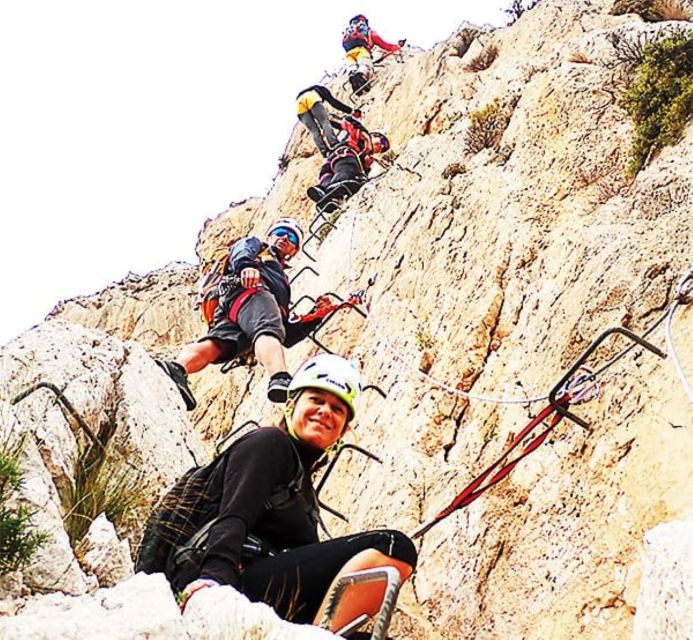
- K4 via ferrata: Expect a demanding route with steep, aerial sections and a near-vertical climb.
- Metal staples and a safety cable: You climb directly up the rock using fixed footholds and protection.
- A short practice session comes first: Your guide explains the climbing system and lets you work on a rock wall before the main ascent.
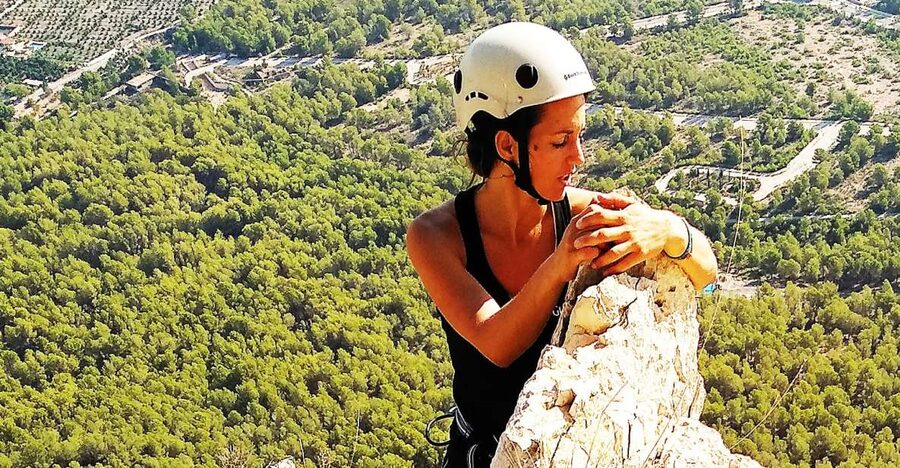
- Big mountain views: Look toward the Valley of Guadalest, the Sierras de Aixortá and Bernia, and the Mediterranean coast.
- Small groups help: A maximum of 10 people gives the guide room to watch pace and technique.
- Bring your own footwear and supplies: A helmet, harness, and ferrata kit are included, but shoes, water, food, and drinks are not.
Meeting at Parking Vía Ferrata Ponoig
The day begins at Parking Vía Ferrata Ponoig, where you look for a guide holding a visible sign. This is an important detail because the experience does not begin with a hotel pickup or a city tour. You need to arrive at the stated meeting point under your own arrangements.
The activity is presented as an Alicante experience, although the supplied location information also labels it as Andalusia. That is an inconsistency worth checking before you travel. Use the exact parking location provided at booking and confirm your route if you are staying elsewhere in Spain.
The advertised duration is five hours. The activity schedule gives about four hours at Ponoig for the guided tour and safety briefing, so plan on giving it most of a half day. That extra time matters when you are arranging meals, transport, or another activity. A mountain climb rarely finishes as neatly as a museum visit.
More Via Ferrata Routes in Spain
- Sant Feliu de Guixols: Climb Via Ferrata Cala del Molí
★ 5.0 · 253 reviews - Gran Canaria: Guided Via Ferrata Excursion
★ 4.9 · 198 reviews - Via Ferrata in Gran Canaria. Vertical adventure park. Small groups
★ 5.0 · 183 reviews
Getting fitted with the right safety gear
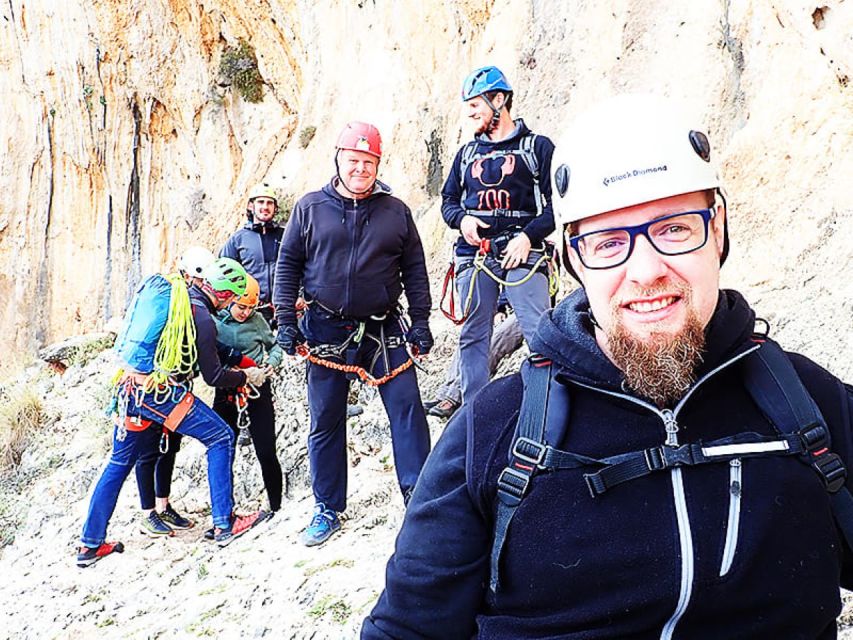
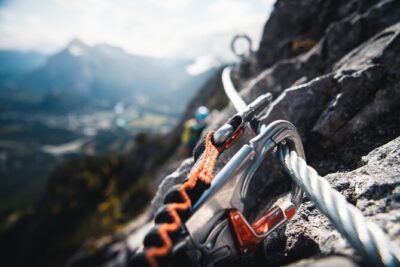
At the meeting point, you receive a helmet, harness, and ferrata kit. The kit connects you to the fixed security cable as you move along the route. The equipment is supplied, but shoes are not included, so arrive in proper hiking shoes rather than casual sneakers or sandals.
This is not a place for improvising your clothing. Bring water and dress for the weather. The route is physically demanding, and sun exposure can make a hard climb feel harder, so sunscreen is a sensible addition. One useful tip from the experience is to carry a small rucksack with water, suncream, and a few snacks. A little packet of sweets can be welcome when your arms and legs are working hard.
The guide should check your harness and explain how the ferrata system works. Listen closely here. The gear is designed to help protect you, but it does not remove the need for careful movement, steady footing, and attention to the cable.
Learning the basics before the real ascent
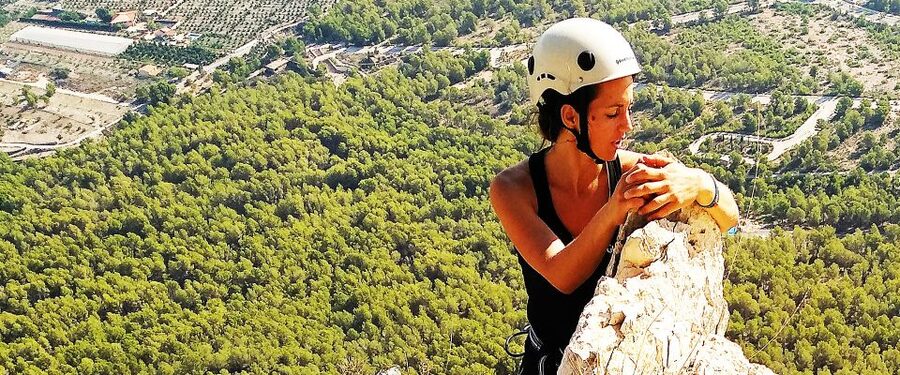
Before starting the main route, your guide gives you a wall-climbing introduction. This practice section is one of the best features of the outing because it lets you get used to the equipment before the rock becomes steep.
You learn the basic actions needed to move upward with the safety cable and fixed metal staples. The practice also helps you judge how much effort the climb requires. If you are new to via ferrata, that first exercise can calm your nerves. If you have climbed before, it gives you a chance to adjust to the supplied gear and the guide’s system.
The instructions are given in Spanish or English. Previous customers singled out guides for patient explanations and calm encouragement. Osmar was praised for explaining the instructions clearly, while Frank was noted for supporting the group and using the right amount of English for the people with him. Those details matter more here than polished commentary. You need a guide who watches how you move and explains what to do next.
Starting up the K4 route
Via Ferrata del Ponoig is categorized as K4, which signals a demanding route rather than an easy introductory walk. The climb includes steep, aerial sections and a nearly vertical rock face. You move upward using thick metal staples set into the rock, with a new security cable running beside the route.
The staples act as footholds and handholds. You climb from one to the next, keeping connected to the cable as instructed. The movement can feel direct and thrilling because there is very little between you and the rock. It is also tiring. Your arms may work harder than expected, especially if you pull yourself up instead of using your legs.
I would treat the K4 rating as a practical warning, not a decoration in the description. You should be comfortable with significant physical activity and with looking down from a high position. The experience is not suitable for children under 18, pregnant women, people with mobility impairments, or people with vertigo.
The small group size is useful once the route becomes more demanding. With no more than 10 participants, the guide can explain the next section, monitor the pace, and help the group stay together. Still, small group does not mean private instruction. Your pace needs to fit with the rest of the group, and the guide cannot remove the physical challenge.
Same rush, a different way to get it:
- Barcelona Costa Brava Kayak, Snorkel & Cliff Jump Day Tour
★ 5.0 · 3,872 reviews - Barcelona: Costa Brava Kayak, Snorkel & Cliff Jump & Lunch
★ 4.9 · 2,391 reviews - Mallorca: Quad Bike Tour, Snorkeling, and Cliff Jumping
★ 4.8 · 2,294 reviews - From Marbella: Guadalmina River Guided Canyoning Adventure
★ 4.9 · 1,486 reviews
Views from the Sierras de Aixortá
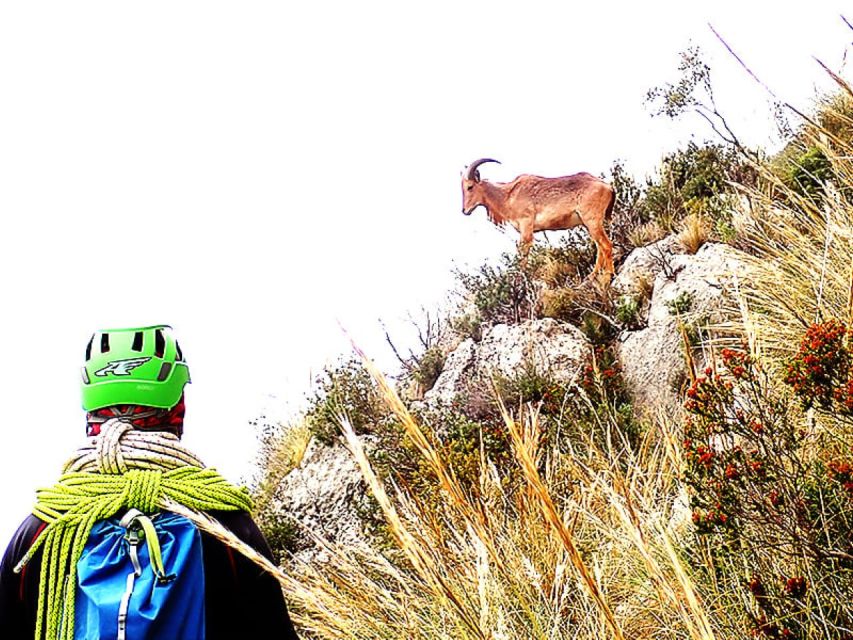
The views are the reward for the effort. As you climb, the scene opens toward the Valley of Guadalest, the Sierras de Aixortá and Bernia, and the Mediterranean coast. You are not simply walking toward a viewpoint on a marked trail. You are gaining height by working up the face of the mountain.
That difference gives the scenery more impact. The view changes as you climb, and the cable, staples, and rock keep your attention fixed on the route. At points, you may be focused on your next handhold. At others, you can pause and take in the valley and coast from above.
This is also why the activity suits people who want more than a standard sightseeing stop. You get a physical connection with the mountain. The views are not just something placed in front of you at the end of a path. They arrive in stages, as the climb carries you higher.
Bring a camera only if you can keep it secure. Photos are included, which is a real benefit on a climb where handling a phone may be awkward. You can concentrate on the route and let the guide handle the picture-taking.
What the four-hour mountain portion feels like
The main visit at Ponoig is listed as four hours, including the guided tour and safety briefing. The exact split between preparation, practice, climbing, and pauses is not specified, so you should expect the activity to follow the group’s pace rather than a fixed minute-by-minute schedule.
The guide may need to slow things down if someone requires more instruction or if the group spreads out. That is not wasted time. On a route like this, careful pacing is part of a good day. You want enough time to move correctly and enjoy the views instead of racing upward.
The climb ends back at Parking Vía Ferrata Ponoig. There is no meal included, so plan to eat before or after the activity and carry water during the climb. Food and drinks are specifically excluded from the price.
Is $65 a fair price?
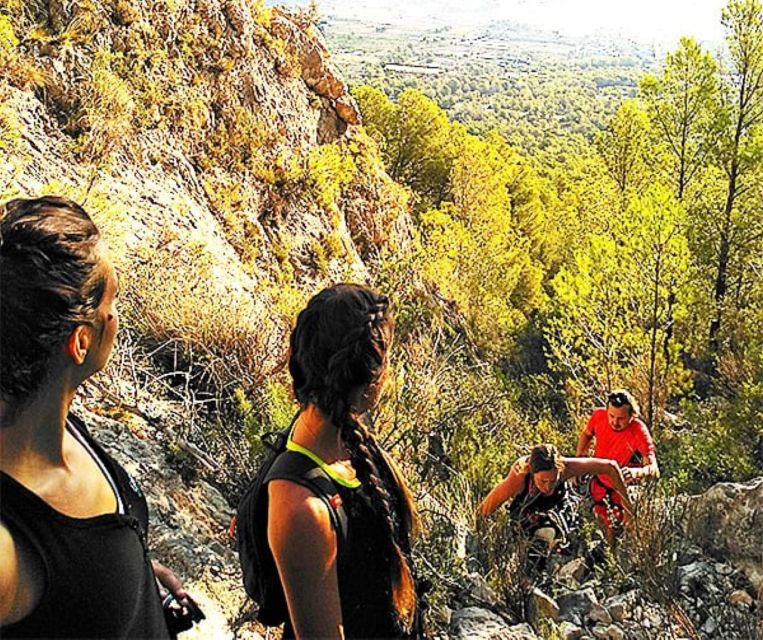
At $65 per person, the cost is reasonable for a guided half-day adventure if you need equipment and instruction. The fee includes a climbing guide, helmet, harness, ferrata kit, and photos. Those inclusions reduce the need to rent or arrange the most important safety items separately.
The value is strongest for first-time or occasional via ferrata climbers. You are paying for route guidance, an introduction to the climbing technique, group supervision, and the supplied protection. You also get a chance to see the Ponoig area in a way a normal walk cannot provide.
The value is less clear if you already own ferrata equipment and have strong experience on K4 routes. In that case, the guide and route access may still be useful, but the included gear matters less. You also need to add your own transport, food, drinks, hiking shoes, and any personal clothing or supplies.
A small group and English-speaking guidance add practical value. The strongest praise has focused on guides who are reassuring without making the climb feel timid. That balance is important. You want clear safety instruction, but you also want to feel that you are taking part in a real mountain activity.
Who should book this climb?
I would recommend it to adults who are fit, active, and curious about climbing a fixed route on real rock. It suits you if the idea of a steep ascent sounds exciting rather than alarming, and if you enjoy learning a new outdoor skill with a guide nearby.
It is also a good choice for someone with limited via ferrata experience who wants a structured introduction. The practice wall and safety briefing give you a sensible start. The guide can explain the equipment in Spanish or English, and the small group keeps the instruction more personal than a large outing.
I would not choose it for a relaxed day in the mountains. The K4 grade and near-vertical sections require effort. People with vertigo should not book it, and anyone with a mobility limitation or a pregnancy should choose a different activity. The age limit is 18 and older.
You should also think about your footwear and confidence. The operator supplies the climbing equipment, but not the shoes. If your hiking shoes are worn out, slippery, or uncomfortable, the climb will be harder than it needs to be.
Practical advice for a smoother day
Check the weather before leaving and wear clothing suited to the conditions. The route is exposed enough that heat, wind, or changing weather can affect your comfort. Carry plenty of water, and bring a small snack if you tend to need food during physical activity.
Arrive ready to listen. The safety briefing is not a formality to hurry through. Pay attention to how the harness and ferrata kit work, how to use the cable, and how the guide wants the group to move.
Keep your hands and feet deliberate. Use the metal staples as intended, rely on your legs where possible, and avoid making sudden moves. The guide is there to help, but good equipment works best when you use it carefully.
If you are nervous, say so early. The guide can explain the next section and help you find a steady pace. The comments about Osmar’s patience and Frank’s calm support suggest that the human side of this outing is one of its real strengths.
Should you book Via Ferrata del Ponoig?
Book it if you want a demanding mountain activity with striking views and professional support, and if a near-vertical climb sounds like fun. At $65, the included safety gear, guide, photos, and small group make the price fair for many first-time climbers.
Skip it if you want an easy walk, dislike heights, or cannot manage significant physical activity. Before paying, confirm the exact location because the supplied information contains both Alicante and Andalusia references. Then pack hiking shoes, water, weather-ready clothing, suncream, and a small rucksack. If those basics suit you, Ponoig offers a memorable way to see the coast and mountain valleys from well above the usual road.
FAQ
Where does the Via Ferrata del Ponoig activity meet?
The meeting point is Parking Vía Ferrata Ponoig. Your guide will be holding a visible sign.
How long does the activity last?
The advertised duration is five hours. The schedule identifies about four hours at Ponoig for the guided tour and safety briefing.
What language does the guide speak?
Guided support is available in Spanish and English.
How difficult is the route?
The route is categorized as K4 and includes steep, aerial sections and a nearly vertical climb.
What safety equipment is included?
A climbing guide, helmet, harness, and ferrata kit are included.
Are hiking shoes provided?
No. Shoes are not included, so you need to bring hiking shoes.
What should I bring?
Bring hiking shoes, water, and clothing suitable for the weather. A small rucksack, suncream, and snacks are also useful practical choices.
Are food and drinks included?
No. Food and drinks are not included.
Who should not take part?
The activity is not suitable for pregnant women, people with mobility impairments, people with vertigo, or children under 18.
What happens before the main climb?
After receiving your gear, you learn basic wall-climbing techniques with the guide and practice before starting the route.
More Hiking Trips in Spain
- Estany d’en Mas: Coastal Hike, Abseil & Sea Cave Exploration
★ 4.9 · 162 reviews - Malaga: Via Ferrata Hike at village of El Chorro
★ 5.0 · 20 reviews - Alicante: Via Ferrata Hike in Redovan
★ 5.0 · 8 reviews - Matacanes : Canyoning + Hiking + Water Jumps + Rappel + Caves
★ 5.0 · 1,497 reviews
More Rock Climbing in Spain
- El Chorro: Climb Via Ferrata at Caminito del Rey
★ 5.0 · 22 reviews - Alicante: Redovan Via Ferrata, family Climb
★ 4.9 · 16 reviews - From Granada: Climb Zafarraya’s ‘Via Ferrata John Hogbin’
★ 5.0 · 6 reviews - Adventure Cahorros, Monachil/ Climbing and abseiling Granada
★ 5.0 · 5 reviews
Just added around Spain
- Redován: Family-friendly K2 via ferrata in a natural setting with rappelling★ 5.0 · 3 reviews
- Ordesa, Broto : Via Ferrata K3. Climbing Experience★ 5.0 · 4 reviews
- Murillo de Gállego Huesca: Bungee jumping over the river★ 5.0 · 3 reviews
- Marxuquera: La Falconera Via Ferrata★ 4.9 · 9 reviews
- Marbella: Beginner Canyoning Tour with Safety Equipment★ 4.9 · 82 reviews
- Mallorca: Visit Palma Speedboat adrenaline & snorkelling★ 4.9 · 48 reviews
- Mallorca: coasteering South★ 4.5 · 14 reviews
- Mallorca: 4-Hour Cliff Jumping Adventure★ 4.9 · 56 reviews
Via Ferrata Climbing, compared.
Banff: Mount Norquay 2.5 or 4-Hour Guided Via Ferrata Climb
Read our review →
Sant Feliu de Guixols: Climb Via Ferrata Cala del Molí
Read our review →
Small-Group Guided Via Ferrata Climbing with Banff’s Best Views
Read our review →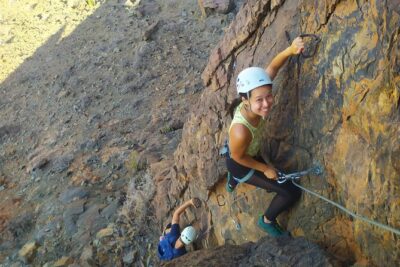
Via Ferrata in Gran Canaria. Vertical adventure park. Small groups
Read our review →Browse the lists this tour appears in