
Review · ABSEILING AND RAPPELLING
Rio de Janeiro: Hiking and Rappelling at Tijuca Forest
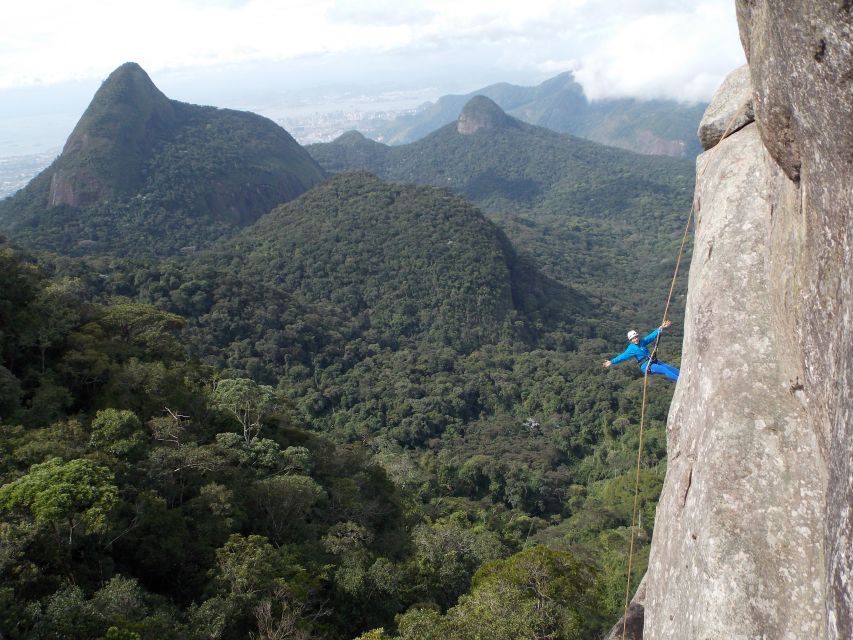
The forest hides a serious climb. This eight-hour Tijuca National Park adventure combines several Atlantic Forest trails, a visit to the park museum, a waterfall stop, and a rappel from Bico do Papagaio, Rio’s second-highest peak. I like the mix of outdoor challenge and local context, and I especially like that the guides explain the forest, Rio’s culture, and the surrounding mountains rather than simply leading you uphill. The main drawback is clear: this is a demanding hike, with steep climbs, rocks, boulders, and natural obstacles before you even reach the rappel.
I also like the practical finish at Cachoeira das Almas, where you can take a natural shower after the climb. Guide GG has earned praise for helping first-time rappellers, and the multilingual team can operate in English, Spanish, or Portuguese. Still, you should come in good or decent shape, carry plenty of water, and expect the meeting point at Praça Afonso Viseu to require some effort before the actual trail begins.
Key points to know before you book
- Bico do Papagaio summit: Reach the second-highest mountain in Tijuca Forest and rappel from the summit.
- Eight-hour outing: Plan nearly a full day, including several trails, the museum, waterfall, climb, and return.
- Steep and rocky route: The hike includes uphill sections, boulders, rugged ground, and natural obstacles.
- Waterfall reward: Cachoeira das Almas offers a natural shower, a welcome cool-down after the trail.
- Big Rio views: From the top, you can see Pico da Tijuca, Pedra da Gávea, Pedra Bonita, Sumaré, and part of Corcovado with Christ the Redeemer.
- Good value for active visitors: At $59 per person, the price includes a bilingual guide, climbing equipment, accident insurance, and the full guided route.
Why Tijuca Forest makes this more than a city hike
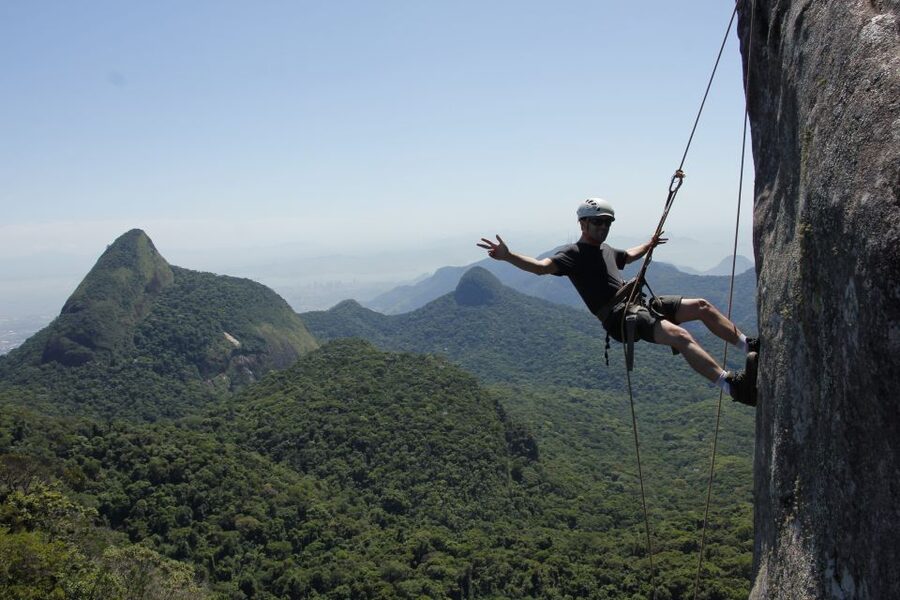
Tijuca Forest gives you a rare chance to leave Rio’s streets without leaving the city’s orbit. The forest is part of Tijuca National Park, a UNESCO World Heritage Site, and the route passes through Mata Atlântica, Brazil’s Atlantic Forest. You get thick forest, mountain trails, waterfalls, and wide views, all within a national park that sits inside the urban area.
That setting matters. A short viewpoint walk can show you Rio from above, but this trip gives you time to understand how the forest changes as you climb. You begin at the park entrance, pass through several trails, and gradually move from a forest walk into a rougher mountain route. The day feels like a proper outdoor expedition, not a quick photo stop.
The experience also includes a visit to the Tijuca National Park visitor center and museum. That adds useful context before or during the physical part of the day. If you care about nature and local conservation, this makes the tour more rewarding than a hike with no explanation of the place.
The forest route can also be a good fit if you want a break from Rio’s better-known attractions. Christ the Redeemer and Sugarloaf Mountain are essential sights, but they are structured around viewpoints and transport. Here, your own legs do the work, and the reward comes gradually.
More Abseiling and Rappelling in the world:
- Selva Maya Eco Adventure Park: Ziplining, Hanging Bridges, Rappelling and Cenote
★ 5.0 · 1,057 reviews - Full-Day Zipline and Waterfall Rappelling Adventure Near San Juan
★ 5.0 · 889 reviews - Via Ferrata / Rappel Adventure in East Zion
★ 5.0 · 224 reviews
Starting at Praça Afonso Viseu in Alto da Boa Vista
The listed meeting point is Praça Afonso Viseu, 104, in Alto da Boa Vista. This is also where the activity ends. Hotel pickup and drop-off may be available if you choose the transportation option and your hotel is in Rio’s tourist zone and covered by the service.
That detail is worth checking before you reserve. One useful criticism of the outing is that the meeting point is not right beside the start of the main climb. You may spend some energy getting to the trailhead, which can feel frustrating when you are saving strength for a steep mountain route. If transport is offered for your hotel, it may be worth paying for the convenience.
The outing lasts about eight hours, but the exact starting time depends on availability. Set aside most of the day. This is not an activity to squeeze between a morning city tour and a dinner reservation. The pace may change with weather, trail conditions, group needs, and the order of the stops.
Small groups and private arrangements are available. A smaller group can be helpful on a technical trail, especially when people have different hiking speeds or when some participants are new to rappelling.
The first trails through Mata Atlântica
The walk begins with trails through the Atlantic Forest. The route is not presented as one straight climb. Instead, you move through several sections of Tijuca Forest, with the guide setting the pace and explaining the natural and cultural setting.
Expect the ground to become more demanding as you approach Bico do Papagaio. The route includes rocky sections, boulders, and natural obstacles. One participant described the hike as full of uphill climbing and recommended it for people in good or decent shape. That is the right way to think about it.
You do not need to be an expert climber, but you should be comfortable with a long day on uneven ground. Good grip matters more than fashionable hiking clothes. Wear sturdy athletic shoes or hiking shoes that handle rocks and steep sections. Sandals and flip-flops are not allowed, and they would be a poor choice anyway.
The guide’s role is important here. A strong guide can adjust the pace, help you deal with rough sections, and explain what you are seeing instead of rushing everyone toward the summit. The guide can also advise you about an optional indigenous trail, which one participant singled out as an extra challenge. Ask about it only if you have enough energy and the guide confirms that conditions are suitable.
The park museum adds useful context
The guided visit to the Tijuca National Park museum and visitor center breaks up the physical effort. You learn more about the park before continuing toward the mountain and rappel.
This stop will appeal most to you if you like knowing where you are rather than treating the forest as a backdrop. The park is important for its natural setting, historical attractions, and eco-tourism, and the museum helps connect those pieces.
Do not expect a long museum visit to replace the hike. It is one part of a day built around the trail. Still, it gives the outing more substance. You are not only climbing for a view. You are spending time in one of the world’s largest urban forests and learning why the protected area matters.
More Hiking Trips in the world:
- Orlando Tree Trek Adventure Park
★ 5.0 · 845 reviews - Adrenaline River Trekking in Brembana Valley
★ 5.0 · 13 reviews - Batumi: Extreme Escape – ATV, Buggy, Horses & Hike
★ 5.0 · 7 reviews - Matacanes : Canyoning + Hiking + Water Jumps + Rappel + Caves
★ 5.0 · 1,497 reviews
Cachoeira das Almas is the day’s natural reset
Cachoeira das Almas is one of the most appealing stops because you can take a natural shower at the waterfall. After an uphill hike in Rio’s warm climate, cool water can feel like a small luxury.
Bring a light snack and plenty of water, but do not treat the waterfall as a substitute for hydration. The guidance recommends up to three liters of water, along with sunscreen. A daypack is useful for carrying those supplies without weighing you down.
The waterfall stop also gives the day a better rhythm. You get forest, interpretation, physical effort, water, and then the mountain summit. It is a more varied experience than a single trail followed by a quick rappel.
Your clothing will get wet if you use the natural shower, so think about what you want to wear for the rest of the outing. The supplied information does not specify changing facilities, so bring only what you can carry comfortably and avoid assuming that a full change area will be available.
The final approach to Bico do Papagaio
The route becomes more rugged near the base of Bico do Papagaio. This is where the hike changes character. The early trail sections lead you through forest, but the approach to the mountain brings steeper climbing, rocks, boulders, and additional natural obstacles.
You should expect the hardest part before the rappel, not after it. Several people may find the uphill route more demanding than the abseiling itself. If you are new to rappelling, that can be reassuring: the certified equipment and guide support handle the technical activity, while your own fitness determines how comfortable the approach feels.
Your guide will control the climbing setup and explain what to do. The activity includes certified climbing equipment for local use and personal accident insurance. Those inclusions add real value, particularly if this is your first rappel and you do not own or carry climbing gear.
The route is not suitable for every body. It is specifically not recommended for people with heart problems, serious medical conditions, back problems, mobility impairments, or pregnancy. Wheelchair users cannot take part. If you have any doubt about your health, ask a medical professional before booking.
Rappelling from Rio’s second-highest mountain
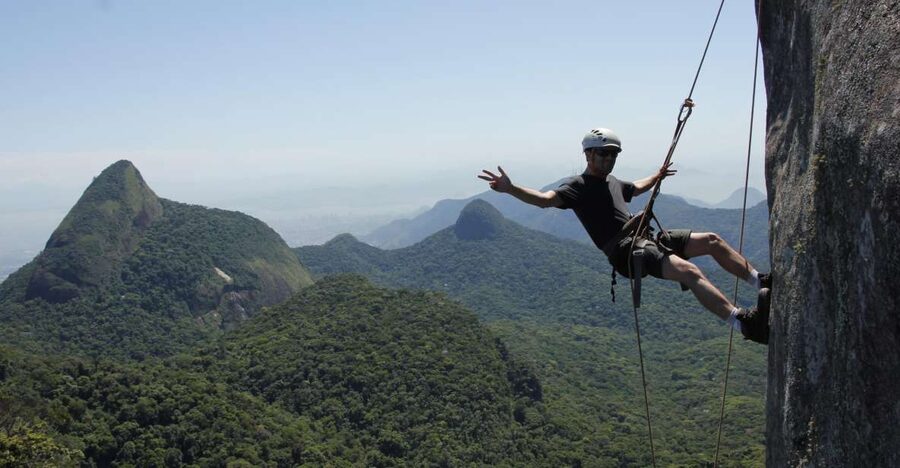
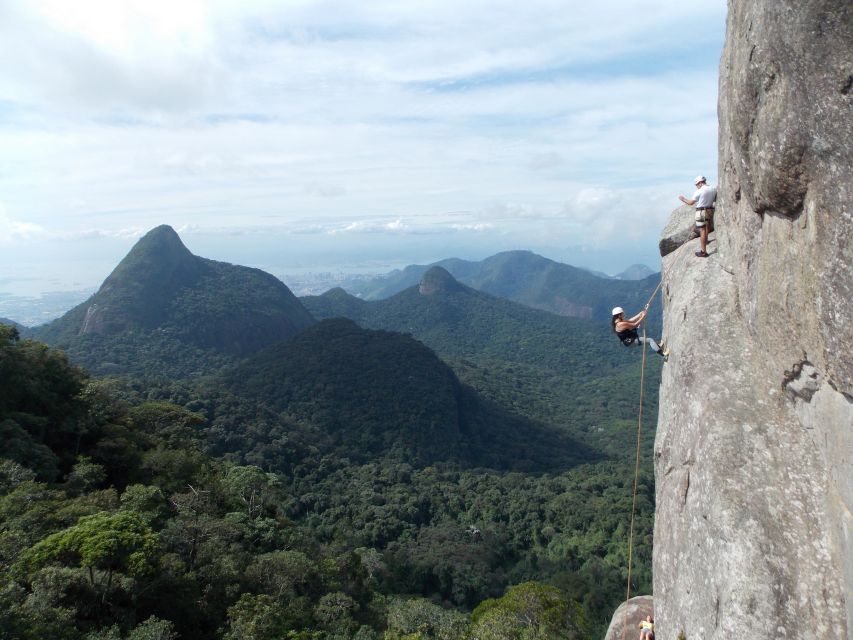
Bico do Papagaio is the second-highest peak in Tijuca Forest, and the rappel takes place at the summit. That makes the activity feel earned. You do not simply arrive by vehicle, step out, and clip into a rope. You hike through the park and climb to the top first.
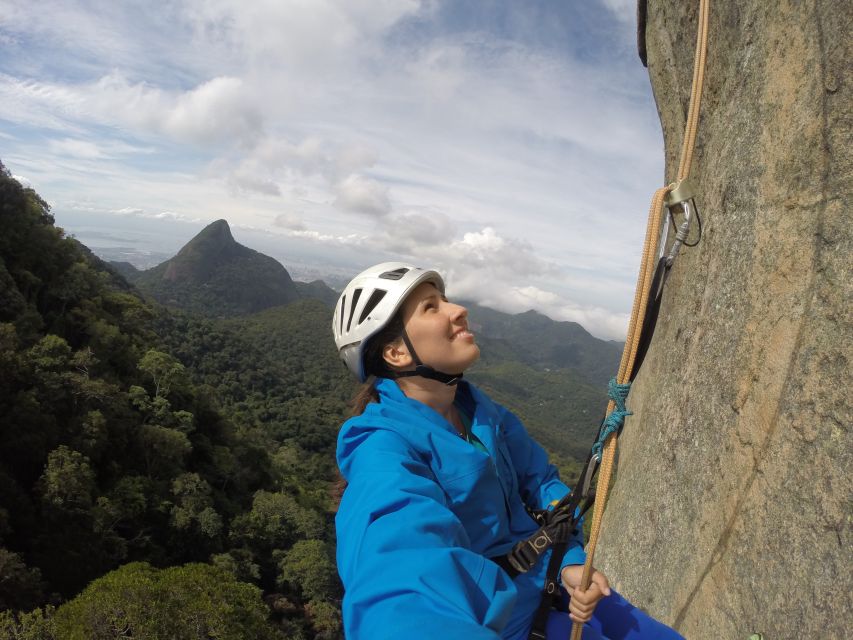
For a first-time participant, the guide’s attitude matters as much as the gear. Guide GG received special praise for being helpful and informative during a first rappel. That suggests the experience is designed to teach rather than intimidate, though you still need to be willing to manage a real height-based activity.
The rappel is the main adrenaline feature, but it is not the whole point of the day. If you want only a short abseiling session, this outing may feel too long. If you want the climb, the setting, the views, and the technical activity together, the long route makes more sense.
Alcohol and drug use are prohibited before or during the activity, and intoxication can lead to cancellation. That rule is sensible for a mountain route involving climbing equipment. Arrive rested, sober, and ready to follow instructions.
The summit views reach across Tijuca National Park
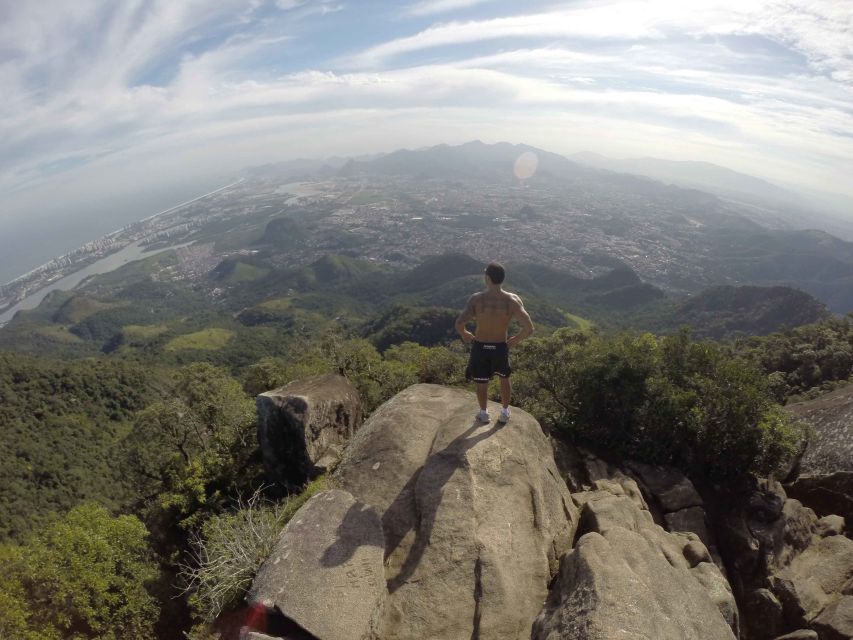
From Bico do Papagaio, you can look toward many of the major peaks in Tijuca National Park. The view includes Pico da Tijuca, Pedra do Conde, Cocanha, Pedra Bonita, and Pedra da Gávea. You can also see Sumaré and a small section of Corcovado with Christ the Redeemer.
These views are a strong reason to choose this hike over a simpler forest walk. You see Rio’s famous mountains from a less usual angle, after climbing through the forest rather than arriving at a standard lookout.
Weather will affect the reward. The route and order of stops can change because of rain or other conditions connected to the activity. Cloud, wet rock, or poor visibility may also affect the summit experience. You should book this for the activity itself, not only for a guaranteed postcard view.
What the $59 price really includes
At $59 per person, the price is reasonable for an eight-hour guided outing with several major inclusions. You receive a professional bilingual guide, the Bico do Papagaio hike, multiple Tijuca Forest trails, the museum visit, the waterfall stop, certified climbing equipment, and personal accident insurance.
The price is especially fair if you would otherwise need to arrange a guide and technical equipment separately. It also reduces the planning burden. You do not need to work out the safest route to the mountain or decide how to set up the rappel.
The value is weaker for anyone who dislikes long hikes or wants a quick attraction. Much of what you pay for is the guided day, not only the few minutes spent rappelling. You should also allow for possible transport costs if you choose hotel pickup, since that option depends on the booking choice and supported hotels.
Private and small-group options can make the experience more comfortable, but the price and availability may differ. Check the exact arrangement before paying.
What to pack for eight hours outside
Keep your packing simple. You need enough water, a light snack, sunscreen, and a small daypack. The recommendation is up to three liters of water, which gives you a clear idea of how seriously to take the heat and exertion.
Wear comfortable footwear with good grip. Do not bring sandals, flip-flops, luggage, or large bags. A bulky bag will make rocky climbing harder and will not suit a rappel setup.
Your basic checklist:
- Up to three liters of water
- A light snack
- Sunscreen
- Comfortable shoes with good grip
- A small daypack
- Clothing suitable for hiking and possible waterfall spray
The operator provides the certified climbing equipment, so you do not need to bring your own rappel gear. Confirmation arrives at booking, and you should check the meeting instructions carefully, especially if you are relying on hotel pickup.
Who will enjoy this hike most
I would recommend this experience to you if you like active sightseeing, can manage sustained uphill walking, and want more than a standard Rio viewpoint. It suits people who enjoy a full day outdoors and are curious about the forest as well as the adrenaline activity.
It is also a good option for first-time rappellers who want guide support. The combination of equipment, instruction, and a small-group or private format can make the activity less intimidating.
I would not choose it for a relaxed day, a family outing with very young children, or anyone with the medical or mobility limits listed above. It is also a poor match if your main goal is sightseeing with little physical effort. The hike is hard, and the rappel does not erase the steep approach.
You can cancel up to 24 hours before the activity for a full refund, and a reserve-now, pay-later option may help if your schedule is still changing. Weather can alter the itinerary, so keep some flexibility in your Rio plans.
Should you book the Bico do Papagaio adventure?
Book it if you want a full-day Rio experience that joins forest trails, a waterfall, mountain views, and rappelling in one outing. The strongest parts are the varied route, the summit views, the natural shower at Cachoeira das Almas, and the helpful guide support for people new to the activity.
Skip it if you want an easy walk or have limited time. The meeting point may require extra effort before the main hike, the trail has steep and rocky sections, and weather can change the order or quality of the day.
For the right person, $59 is a solid price for a guided Tijuca Forest adventure with equipment and insurance included. Bring serious water, wear shoes with grip, and save enough energy for the climb after the waterfall. That preparation will make the rappel feel like the reward it is.
FAQ
How long does the Tijuca Forest hike and rappel take?
The activity lasts about eight hours. The day includes several forest trails, the visitor center and museum, Cachoeira das Almas, the climb to Bico do Papagaio, the rappel, and the return to the meeting point.
Where does the activity begin and end?
It begins at Praça Afonso Viseu, 104, in Alto da Boa Vista, Rio de Janeiro. The activity ends back at the same meeting point.
Is hotel pickup available?
Hotel pickup and drop-off are available only if you choose the transportation option and your hotel is in Rio’s tourist zone and supported by the service.
What languages are available?
The live guides can conduct the activity in English, Spanish, or Portuguese.
What should I bring?
Bring water, a daypack, a light snack, and sunscreen. Up to three liters of water is recommended. Wear comfortable footwear with good grip.
Is the hike suitable for beginners?
The rappel can suit first-time participants with guide support, but the hike itself is not easy. It includes steep uphill sections, rocky ground, boulders, and natural obstacles, so you should be in good or decent physical shape.
What happens if the weather is poor?
The itinerary and order of sightseeing may change because of weather or other conditions connected to the activity. Check the conditions and follow the guide’s instructions on the day.
Just added around the world
- Reno: Zero Latency Extreme Virtual Reality Experience Ticket★ 5.0 · 2 reviews
- Punta Cana: Extreme Buggy Tour with River Cave & Macao Beach★ 4.2 · 34 reviews
- Rafting, Canyoning & Zipline, : 3-in-1 Adrenaline Tour★ 4.6 · 26 reviews
- Rafting Classic, with Extreme Waves★ 4.8 · 16 reviews
- Punta Cana: Bávaro Adventure Park Horse Riding & Waterfalls★ 4.0 · 11 reviews
- Punta Cana: Triple Jungle Adventure Park Tour with Tastings★ 4.7 · 7 reviews
- Puerto Vallarta: Hidden Beaches & Adventure Park★ 5.0 · 5 reviews
- Pula: Coasteering Adventure with Guide and Photos★ 4.8 · 23 reviews
Abseiling and Rappelling, compared.
Matacanes : Canyoning + Hiking + Water Jumps + Rappel + Caves
Read our review →
Selva Maya Eco Adventure Park: Ziplining, Hanging Bridges, Rappelling and Cenote
Read our review →
Full-Day Zipline and Waterfall Rappelling Adventure Near San Juan
Read our review →
Nido de los Aguiluchos, Monterrey: Hiking + Rock Climbing + 3 Rappels
Read our review →

Rio Secreto Plus: Classic Tour, Bycicle, Rappel & Ziplines
Read our review →
Riviera Maya Jungle Half-Day Tour: ATV, Ziplines, Cenote Swim, Rappel
Read our review →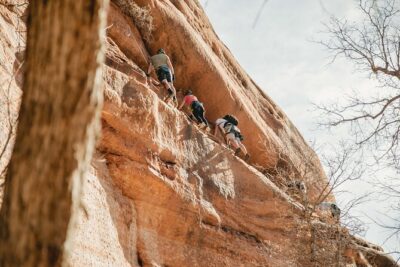
Browse the lists this tour appears in