
Review · JAPAN
Tokyo Bay: Scenic Skyline Go-Kart Tour (120 Minutes)
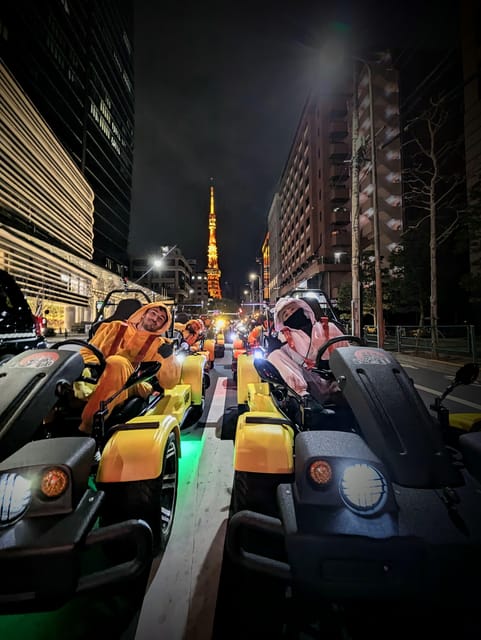
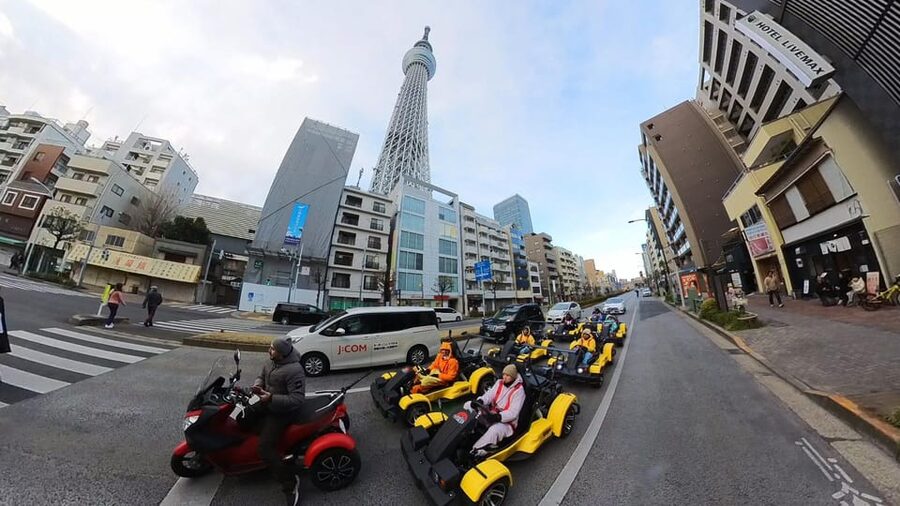
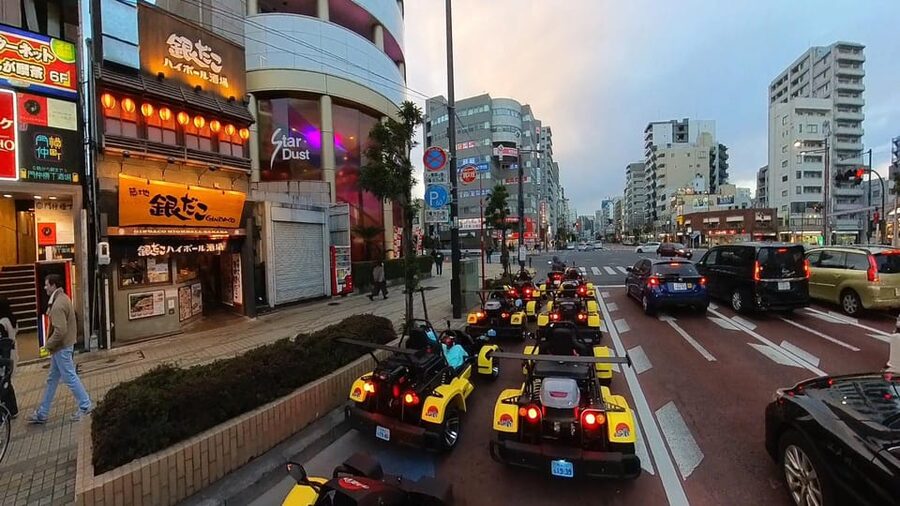
Tokyo looks different from a low seat in the middle of the street. This 120-minute Kartzilla tour turns the city into a moving viewpoint, taking you from Tokyo Skytree through waterfront districts, Ginza, Tokyo Station, and the Imperial Palace area. I especially like the live two-way radio guidance, which combines road instructions with stories about the places you pass. I also like the comfort-focused karts, a useful feature when you are driving for two hours rather than spending ten minutes on a track.
The main consideration is simple but important: you need the correct driving documents, and the rules are strict. You must arrive 40 minutes early, bring your passport and accepted license, and understand that digital copies, photographs, and expired documents will not work. This is a city driving experience, not a sightseeing bus, so you should be comfortable operating a vehicle in urban traffic.
Key points to know before booking
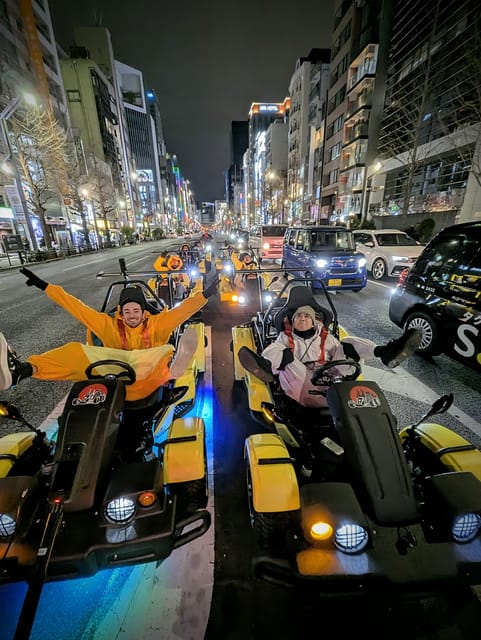
- The route covers major Tokyo sights: Tokyo Skytree, Ryogoku, Toyosu, Ginza, Kabuki-za, Tokyo Station, and the Imperial Palace area all appear during the two-hour drive.
- Live radio contact helps beginners: Your guide gives safety directions and landmark explanations as you drive.
- The karts are built for city streets: Hydraulic brakes, suspension, reinforced frames, and stable handling are designed for comfort rather than racing.
- The group is limited to eight people: That keeps the tour relatively personal and makes it easier to stay with the guide.
- You can record from the driver’s seat: An optional Insta360 camera is available, though you must bring or buy a Micro SD card.
- Your license must meet Japanese rules: Most non-residents need an International Driving Permit issued under the 1949 Geneva Convention.
What this Tokyo go-kart tour is really like
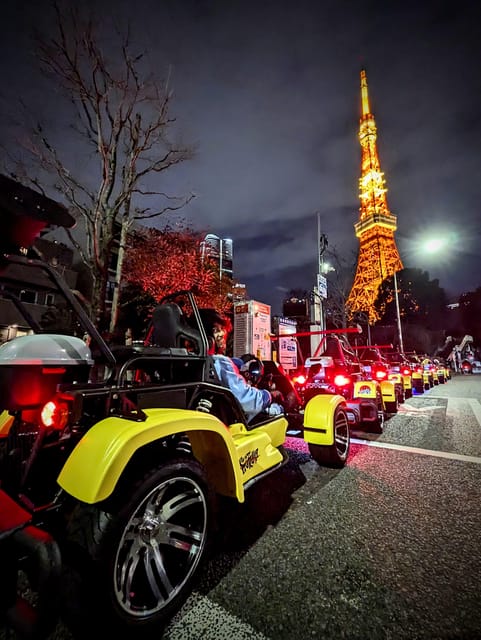
This is not a race and not a short amusement-park circuit. You drive a street-legal go-kart through Tokyo with a professional guide at the front, following the route and staying in contact by two-way radio.
That distinction matters. You are not simply sitting back and looking at monuments. You need to pay attention to the road, follow instructions, and maintain a safe pace. In return, you get a street-level view that a coach or observation deck cannot provide.
The experience begins at Kartzilla Go Kart Tokyo, near Tokyo Skytree. You receive driving instructions, a road-safety briefing, and time to prepare before leaving. The required early arrival is not a minor suggestion. Check-in and the safety briefing are mandatory, so arriving just before the scheduled start could put your place at risk.
The group limit of eight participants is another plus. A small convoy is easier for a guide to manage than a large procession, and the radio system gives you a direct link to the person leading the group. The available guide languages are English, German, Spanish, and Persian.
More Go-Kart Sessions in the world:
- Livigno: Adrenaline Ice Karting Experience
★ 4.7 · 8 reviews
Comfort and control in the Kartzilla vehicles
A two-hour city drive would be tiring in a cramped, twitchy kart. Kartzilla’s vehicles are described as purpose-built for urban driving, with several features that should make the experience more manageable for first-time drivers.
The suspension is intended to soften the ride, while hydraulic brakes provide controlled stopping. The reinforced frames are designed to accommodate big and tall riders, which is useful because standard recreational karts often feel restrictive. Stable handling also matters when you are concentrating on traffic, directions, and sightseeing at the same time.
I would not treat the comfort claims as a promise that every rider will find the kart spacious. Body shape and personal comfort vary. Still, the design focus is sensible. This tour asks you to drive through the city for 120 minutes, so steady handling and a supportive seating position are more valuable than speed.
The pace is relaxed, with no racing. That makes this a better choice for someone who wants a novel way to see Tokyo rather than a motorsport experience. If you are hoping to accelerate around a track, this is the wrong outing. If you want to drive past famous districts while hearing from a local guide, the format makes much more sense.
Tokyo Skytree to Monzen-Nakacho
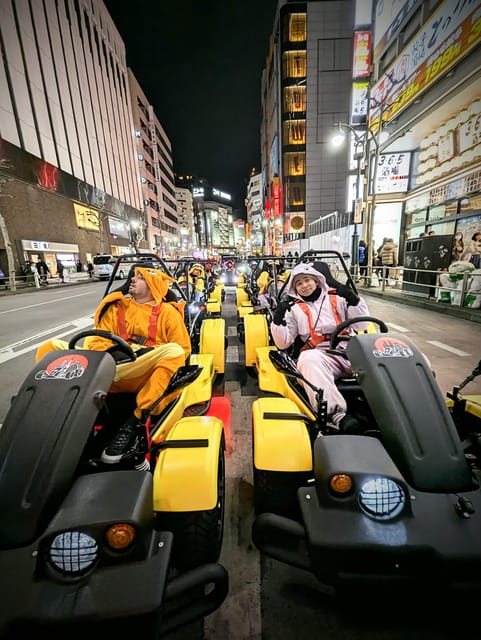
Tokyo Skytree is both the starting point and the first major sight on the route. The tower gives you an immediate sense of scale, especially from street level. Instead of beginning with a distant view from an observation deck, you start beside one of Tokyo’s best-known landmarks and then move away under your own control.
The early part of the tour also includes Monzen-Nakacho Station. This area helps shift the experience away from Tokyo’s most obvious postcard sights. You get a look at an everyday city district, where the guide can explain local character and the connection between older neighborhoods and modern Tokyo.
Because the tour is moving, your viewing time at any one point is limited. You should not expect a long stop for photographs at every landmark. The value here comes from seeing districts connect in real time, with the guide explaining what you are passing while you remain part of the street scene.
Toyosu Fish Market and the waterfront route
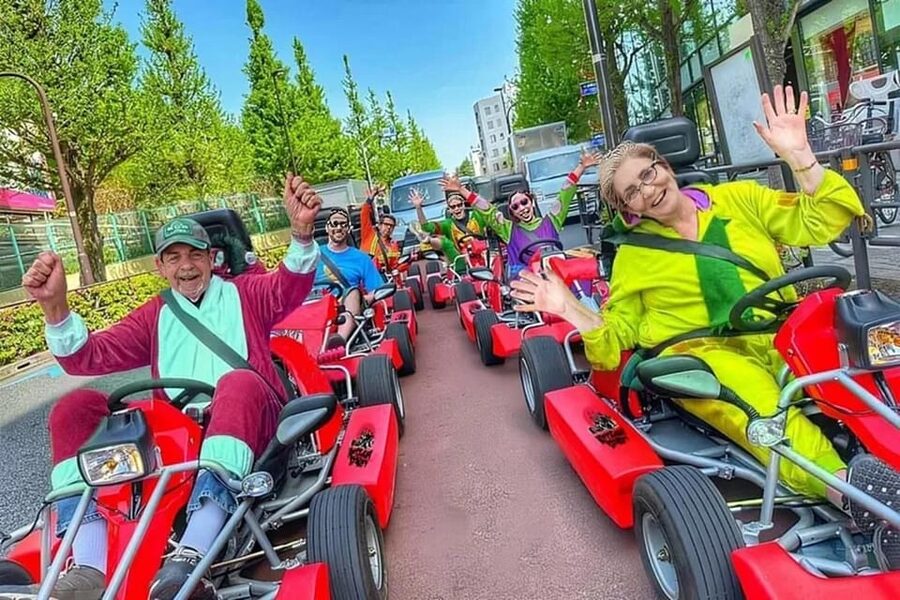
The route continues toward Toyosu Fish Market, one of Tokyo’s major food and commercial areas. The market is famous, but this experience is not a market visit with time to eat or browse stalls. You pass through the area by kart, receiving commentary and scenic views along the way.
That difference is worth noting when planning your day. If you want sushi, shopping, or a long look inside the market facilities, schedule those separately. The go-kart tour gives you a moving introduction rather than a full market visit.
From Toyosu, the route takes in Ariake Coliseum and Harumi. These waterfront sections add a different feel to the drive, with broad city views and large-scale urban development. You will see Tokyo as a working modern capital, not only as a collection of shrines, shopping streets, and historic buildings.
The waterfront is also a good test of the tour’s format. You may appreciate the open views and changing scenery, but you still need to focus on driving. The guide’s radio instructions are particularly useful when the group is moving between districts.
Same rush, a different way to get it:
- Extreme Adventure, Wildest Bridge, ATV & Ziplines
★ 5.0 · 3,179 reviews - Shotover River Extreme Jet Boat Ride in Queenstown
★ 5.0 · 2,540 reviews - Krakow: Extreme Shooting Range with Hotel Transfers
★ 4.8 · 2,226 reviews - Tree Limin’ Extreme Zipline
★ 5.0 · 1,713 reviews
Ginza and Kabuki-za from the driver’s seat
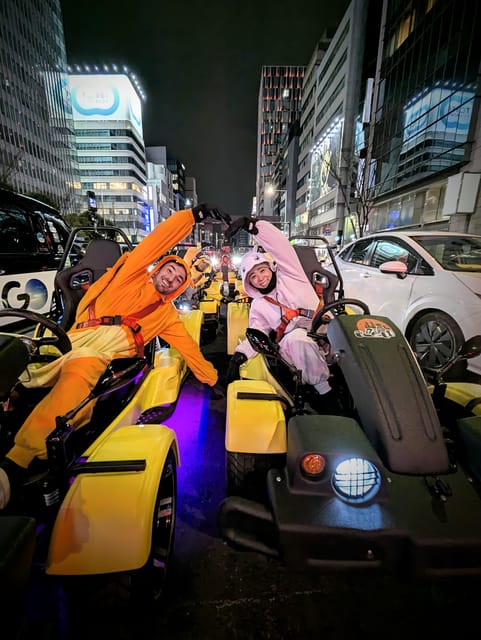
Ginza brings the tour into one of Tokyo’s best-known shopping and business districts. Its polished streets and major commercial buildings offer a sharp contrast with the waterfront and neighborhood sections earlier in the route.
You pass through Ginza rather than receiving a long walking tour. That means you can appreciate the scale and energy of the district, but you should not expect time to enter department stores or browse shops. If Ginza is a priority, use this tour as an orientation, then return later on foot or by train.
Kabuki-za is another important sight along the route. The theater is closely tied to kabuki, Japan’s traditional stage art, and its distinctive exterior makes it easy to recognize during a drive-by. The guide’s live commentary is valuable here because you can learn why the building matters without stopping your route.
For me, this is one of the stronger reasons to choose a guided tour instead of renting a vehicle alone. A rental car would give you mobility, but not a guide speaking into your radio as you pass cultural landmarks. You get context at the exact moment you are looking at the place.
Tokyo Station and the Imperial Palace area
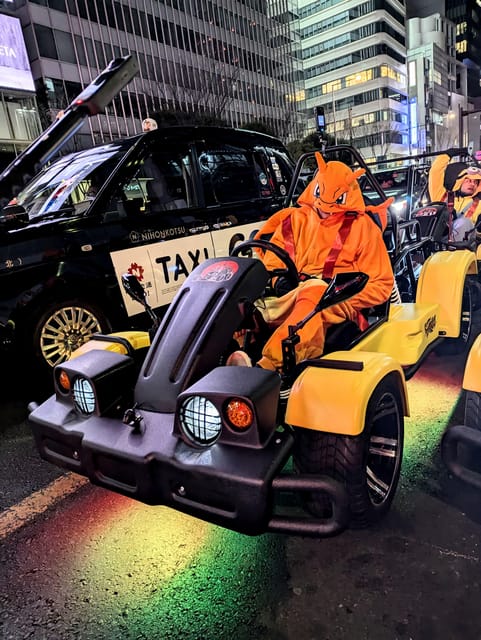
The route then reaches Tokyo Station, one of the capital’s most familiar transport landmarks. The station area is a useful reminder that Tokyo is both a historic capital and a huge modern transport center. You see the city’s movement from the road, rather than only from a platform or underground passage.
The final major section includes the surroundings of the Tokyo Imperial Palace. The tour does not promise entry into the palace grounds, and you should not plan on a palace visit as part of the activity. Instead, you see the area from the public streets while the guide provides background and points out notable surroundings.
This portion works well near the end of the tour because the route has already shown you several sides of Tokyo: neighborhood streets, waterfront development, commercial avenues, theaters, transport hubs, and government landmarks. The Imperial Palace area gives the drive a strong closing point before you return to Kartzilla Go Kart Tokyo.
Live storytelling is more useful than a silent convoy
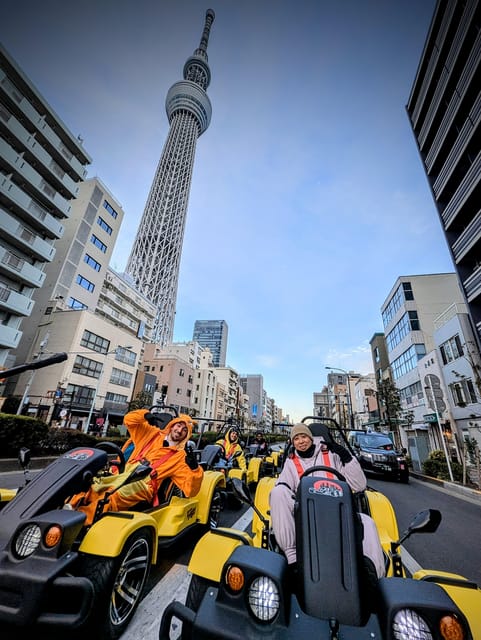
The guide is central to the experience. Through the two-way radio, the guide gives real-time safety instructions and talks about the landmarks, culture, and city districts along the route.
That combination is practical. You do not have to choose between paying attention to traffic and listening to a long lecture. The commentary comes during the drive, while safety directions can be given immediately if the group needs to slow, turn, or regroup.
The radio system also helps the experience feel organized. You are not left guessing where to go next or trying to keep up without support. Still, the guide cannot remove the need for personal responsibility. You must follow the road rules, listen carefully, and drive within your abilities.
The activity is suitable for beginners in the sense that the karts are stable and the tour is guided. Beginner-friendly does not mean effortless. You are still driving on city streets, so anyone nervous about operating a vehicle should think carefully before booking.
Insta360 video and the small extras
Each kart offers the option to use an on-board Insta360 camera. This lets you record the route hands-free, including views of landmarks and the experience from the driver’s position.
You need a Micro SD card. It is not included, though one can be purchased on-site. Bring a compatible card if you want to avoid an extra purchase and confirm that you have enough storage before leaving.
Free photos are also included as part of the experience. The camera option is best viewed as a bonus, not the main reason to book. The route and live guide provide the real value. Still, recording the drive can be worthwhile because ordinary sightseeing photographs do not show what it feels like to move through Tokyo in a go-kart.
Anime costume rental is included too. This adds a playful touch and may appeal to people looking for a more theatrical photo experience. You should treat the costume as optional flavor. It does not change the route, the safety rules, or the need for proper driving documents.
Water, tea, and coffee are included. Meals are not, so plan food before or after the tour rather than expecting a refreshment stop during the two-hour drive.
Is $116 a fair price?
At $116 per person, this is not a cheap way to move around Tokyo. Public transport costs far less, and you can visit most of the named districts independently by train and on foot.
The price makes more sense if you value the activity itself. You are paying for a street-legal go-kart, fuel, a professional guide, safety instruction, accident insurance, radio communication, drinks, costume rental, and access to a two-hour guided route. The experience also combines sightseeing with driving, which is difficult to reproduce on your own.
I would call it fair value for someone who sees the go-kart as the main attraction. I would not recommend it as a budget sightseeing solution. If your priority is spending as much time as possible inside museums, markets, or historic buildings, train travel and walking will give you more time at each sight.
The small group helps support the price. With a maximum of eight participants, the guide can manage the convoy and communicate more directly. The comfort features also matter over 120 minutes, especially for taller riders or anyone worried about a basic rental kart.
Licenses, timing, and who should skip it
The license rules deserve careful attention. Japanese citizens and residents of Japan need a Japanese driving license. Non-residents generally need an International Driving Permit issued under the 1949 Geneva Convention.
Licenses from Switzerland, Germany, France, Belgium, Monaco, and Taiwan must be accompanied by an official Japanese translation issued by JAF. A photograph of a license, a digital license, or an expired license is not accepted.
Bring your passport, driver’s license, and International Driving Permit when applicable. If you arrive without the correct documents, you cannot participate and no refund is provided. This is the single most important booking check.
Drivers must be at least 18 years old, and the activity is not suitable for people over 95 years of age or people with visual impairments. The tour is wheelchair accessible, but you should still confirm any personal equipment or transfer needs before booking.
The meeting point is near Hiraki Children’s Clinic, in a building marked with an outdoor Kartzilla Go Kart sign. Google Maps is reported to be reliable for finding the location. There is no hotel pickup or drop-off, so allow extra time to reach the facility.
Free cancellation is available up to 24 hours before the start time, and reserve-now-pay-later booking may be offered. Check the available start times for your date.
Who will enjoy this tour most?
I would recommend this for an adult with a valid license who wants an active way to see Tokyo. It suits couples, small groups of friends, and solo visitors who enjoy unusual transport and do not mind following a fixed route.
It is also a good match for a first visit if you want an overview of several districts before returning to your favorites. The guide’s commentary helps you notice how the city changes from waterfront development to commercial Tokyo and palace surroundings.
I would be more cautious about booking it for anyone who dislikes traffic, gets uncomfortable on small vehicles, or wants long stops at individual landmarks. Families also need to check the age rules carefully, since drivers under 18 cannot participate.
Avoid bringing drones, alcohol, or drugs. Alcoholic drinks are not allowed in the vehicle. The basic rule is easy: arrive prepared, listen to the guide, and treat the activity as city driving with sightseeing attached.
Should you book the Tokyo Uptown Route?
Book it if you want to experience Tokyo from the road rather than from a train window or sightseeing bus. The strongest features are the small eight-person group, live radio commentary, and stable karts designed for a longer urban drive.
Skip it if you are looking for the cheapest city tour, a market meal, or extended visits inside each attraction. You will see many landmarks, but mostly from the road.
For the right person, $116 buys more than transport. It buys a guided activity, a changing view of Tokyo, and the chance to take your own place in the city traffic under professional supervision. Just verify your license before paying. That one detail determines whether this memorable outing is possible.
FAQ
How long is the Tokyo Bay Scenic Skyline Go-Kart Tour?
The tour lasts 120 minutes, or two hours, including the guided city route.
Where does the tour begin and end?
It begins and ends at Kartzilla Go Kart Tokyo, near Hiraki Children’s Clinic. The building has an outdoor Kartzilla Go Kart sign.
What sights are included on the route?
The route includes Tokyo Skytree, Monzen-Nakacho Station, Toyosu Fish Market, Ariake Coliseum, Harumi, Ginza, Kabuki-za, Tokyo Station, and the surroundings of the Tokyo Imperial Palace.
What license does a non-resident need?
A non-resident generally needs an International Driving Permit issued under the 1949 Geneva Convention. Licenses from Switzerland, Germany, France, Belgium, Monaco, or Taiwan require an official Japanese translation issued by JAF.
Can I use a digital copy or photograph of my license?
No. Digital licenses, photographs of licenses, and expired licenses are not accepted.
How early should I arrive?
You should arrive at least 40 minutes before the scheduled start time for check-in and the mandatory safety briefing.
Is a camera included?
On-board Insta360 camera use is included as an option, but you must provide a Micro SD card or purchase one on-site. Free photos are also included.
What languages are available for the live guide?
Live guides are available in English, German, Spanish, and Persian.
Just added around the world
- Reno: Zero Latency Extreme Virtual Reality Experience Ticket★ 5.0 · 2 reviews
- Punta Cana: Extreme Buggy Tour with River Cave & Macao Beach★ 4.2 · 34 reviews
- Rafting, Canyoning & Zipline, : 3-in-1 Adrenaline Tour★ 4.6 · 26 reviews
- Rafting Classic, with Extreme Waves★ 4.8 · 16 reviews
- Punta Cana: Triple Jungle Adventure Park Tour with Tastings★ 4.7 · 7 reviews
- Punta Cana: Bávaro Adventure Park Horse Riding & Waterfalls★ 4.0 · 11 reviews
- Puerto Vallarta: Hidden Beaches & Adventure Park★ 5.0 · 5 reviews
- Pula: Coasteering Adventure with Guide and Photos★ 4.8 · 23 reviews
Japan Adrenaline Activities, compared.
Okinawa Iriomote Mangrove SUP or Canoe and Splash Canyoning Tour
Read our review →
Iriomote Island: SUP or Canoeing and Canyoning Tour
Read our review →
Fun Canyoning Activity at the bottom of Mt. Fuji
Read our review →Browse the lists this tour appears in