
Review · CANADA
Canyoning half day – Heart Creek Canyon (beginner level)
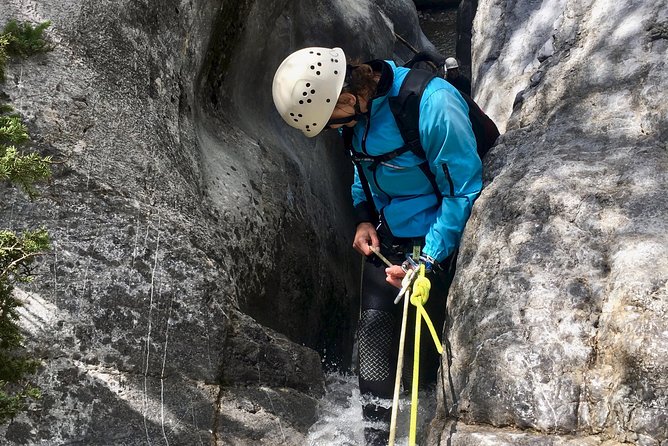
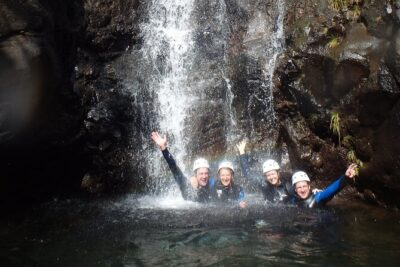
Cold water, warm nerves, big smiles. Heart Creek Canyon gives you a friendly first taste of canyoning, with five rappels, rock slides, scrambling, and waterfalls just east of Canmore. I like the patient instruction and the way the short upper-canyon rappels prepare you for the longer final drop. I also like that wetsuits, helmets, harnesses, and neoprene socks are supplied, so you do not need to buy technical gear for one outing.
The catch is the hike. The approach takes about an hour, and two short sections near the top are steep. This is labeled beginner level, but I would call it a moderate half-day for anyone who is not used to mountain trails. Your shoes will also get thoroughly wet, a detail worth planning for before you leave your hotel.
Quick points before you book
- Five rappels build your confidence: The upper canyon starts with shorter drops before the longer lower-canyon rappel.
- The final section is optional: You can skip the wet lower rappel and hike around it if heights or cold water become too much.
- You hike in the same shoes you canyon in: Wear trail runners or light hiking shoes with firm tread, not sandals or casual sneakers.
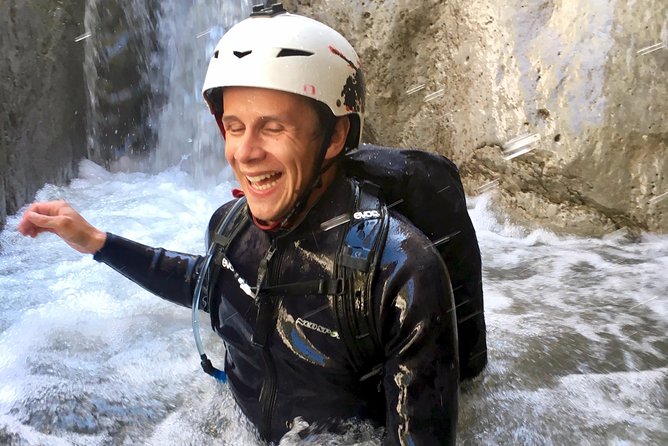
- The water is cold but wetsuits are provided: Neoprene socks, a helmet, harness, and dry bags are included.
- The trailhead is close to Canmore: Heart Creek is about 17 kilometers east of Canmore and 41 kilometers east of Banff.
- Guides get high marks for calm coaching: Brendan, Lawrence, Jitka, Pablo, Oliver, Mark, Kanishk, Kris, and others are praised for patient instruction and a strong focus on safety.
What this half-day canyon trip is really like
The outing costs $146.45 per person and lasts about four to five hours. That price covers a professional guide, canyoning wetsuit, neoprene socks, helmet, harness, rappel equipment, safety instruction, and dry bags for your belongings.
I think the value is good if you want a real mountain activity rather than a scenic walk with a few staged thrills. You receive instruction, technical equipment, and close guidance through several rappels. The fee also saves you from renting or purchasing gear that would be difficult to organize on your own.
Still, this is not a passive excursion. You walk uphill for about an hour, carry your personal items, scramble over rock, and spend time in cold water. The guide does much of the technical work, but you need enough fitness to reach the canyon and enough comfort with heights to step backward over a drop.
The activity is private, meaning only your own group participates. That can make the pace feel more personal, especially if you are a family or a small group of friends with mixed confidence levels. The published rating is 4.8 from 130 ratings, with 97 percent recommending it, and the strongest praise centers on the guides and the steady progression from easy to more exciting sections.
More Canyoning Tours in Canada
- Adrenaline Canyoning Kelowna
★ 5.0 · 98 reviews - Banff: Beginner Canyoning Half-Day Tour
★ 4.7 · 75 reviews - Adrenaline Canyoning Tour
★ 5.0 · 39 reviews
Getting to Heart Creek from Banff or Canmore
The meeting point is the Heart Creek Trail parking lot, just off the highway near Heart Mountain. From Canmore, allow about 10 minutes by car. From Banff, the drive takes about 25 minutes, and the parking area is about 41 kilometers east of town.
Look for the Heart Creek Trail exit on the right. There is ample parking, including room for large RVs and motorhomes. You must purchase an Alberta Parks conservation pass for the vehicle, as the Kananaskis area requires one for parking or entering its parks. This is separate from the tour price.
Pickup is offered, but it is limited during July and August. If you have a car, meeting at the trailhead is the simplest plan. If you do not, pickup can usually be arranged from Canmore, with possible meeting points including Blondies Cafe, the Canmore visitor information center, or the Legacy Trail bus stop for Roam Transit Route 3.
The meeting times are 9:00 a.m., 10:30 a.m., and noon, with a 1:30 p.m. departure added from July 1. Check your selected start time carefully, and arrive ready to go. There are basic pit toilets, but no food, drinks, or other services at the staging area.
The one-hour approach hike sets the tone
After meeting your guide and group, you start with the hike to the top of the canyon. The walk is mostly straightforward and family-friendly, with only a mild incline for much of the way. Near the end, two short but steep sections demand more effort, and the guides allow time for breaks.
This approach is part of the experience, not dead time. You get mountain views, a chance to talk with your guide, and time to settle your nerves before the rope work begins. Guides such as Kris and Mark have been praised for sharing information about local plants, animals, and the surrounding area during the walk.
Do not underestimate the climb simply because the trip is called beginner level. One person with a heart condition chose not to continue, and that was the sensible call. Several strong experiences also describe the hike as challenging for people who are out of shape, even though the canyon itself felt manageable.
Bring water and consider a small snack. Food is not supplied, and one full outing felt longer than expected because the hike took more energy than anticipated. You will wear the shoes you hike in once you enter the canyon, so select footwear that can handle both uphill trail work and cold, wet rock.
Suiting up and learning the ropes
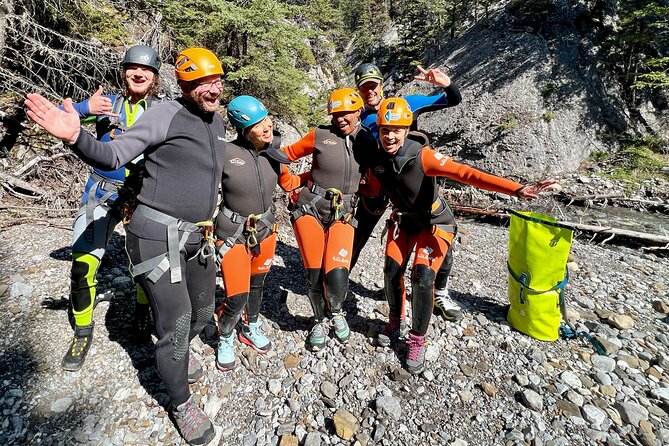
At the top, you change into the supplied canyoning wetsuit and neoprene socks. It is practical to arrive already wearing a bathing suit. Changing facilities are basic, and the guide does not put everyone into wetsuits until the group reaches the canyon entrance.
Your helmet and harness are fitted before a mandatory rappel and rope safety clinic. This is an important part of the tour, not a quick formality. You learn how to position your body, control the rope, and follow the guide’s instructions before facing the longer drops.
First-time rappellers repeatedly praise this teaching style. Brendan is described as encouraging and calm with nervous beginners. Jitka is praised for repeating instructions in a reassuring way. Pablo helped one person with a fear of heights gain enough confidence to tackle the longer rappel. These details matter because canyoning feels much less intimidating when the guide explains each move before you make it.
You should be reasonably comfortable with heights, but no previous rope or rappelling experience is required. Children must be at least 12 and accompanied by an adult. The activity is active enough that it suits people with moderate physical fitness rather than anyone seeking a gentle sightseeing stop.
Same rush, a different way to get it:
- Niagara Falls, ON: Jet Boat Tour on Niagara River
★ 4.8 · 1,128 reviews - Niagara Falls Canada Open-Top (Wet) Jet Boat Tour
★ 5.0 · 1,000 reviews - Montreal: Jet Boating on the Lachine Rapids
★ 4.9 · 360 reviews - Canmore Caving Adventure Tour
★ 5.0 · 356 reviews
The upper canyon offers an easy start
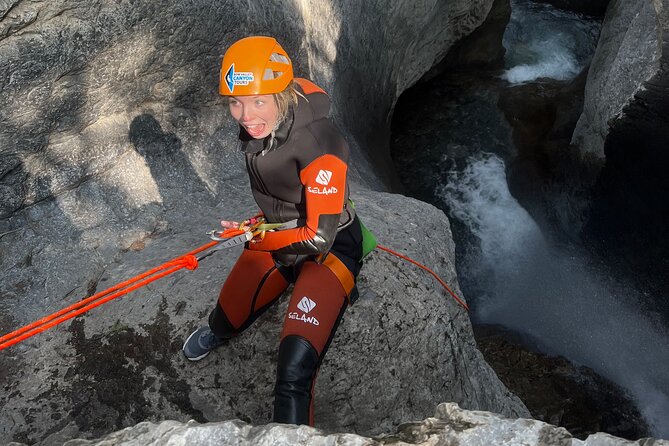
The canyon adventure includes five rappels, mixed with hiking, scrambling, and slides. The upper section is the gentler introduction. Later in the summer, it may be fairly dry, which makes those first rappels less about battling water and more about learning technique.
That progression is one of the best features of the trip. You do not begin with the biggest drop. Instead, you get several shorter chances to practice foot placement, body position, and rope control. By the time you reach the lower canyon, you have a better idea of what to expect.
The rock can be uneven and wet, so move at the pace of the guide rather than trying to rush. Your group may pause while each person completes a rappel. This naturally creates a stop-and-start rhythm, but it also means you receive attention when you need it.
The upper section allows nervous participants to discover that rappelling is a controlled skill, not a reckless leap. You are still in a dramatic setting, with narrow rock walls and water-worn surfaces, but the early drops give you space to get comfortable.
The lower canyon brings the memorable moments
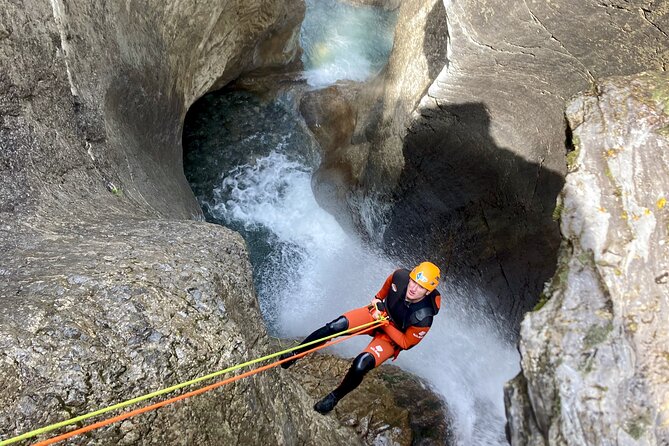
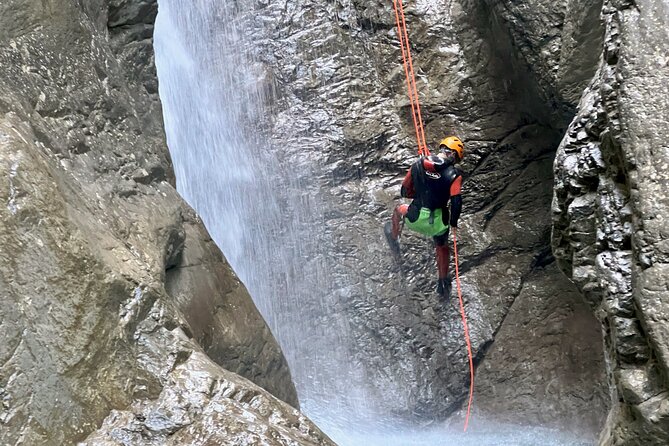
The final lower-canyon section is where the outing becomes more thrilling. The last rappel and slides are always wet, and one of the drops is described as roughly 60 feet, or about 18 meters. You may also pass a waterfall that is difficult to reach without entering the canyon.
This is the part many people describe as the high point of the day. The water can be freezing, but the thick wetsuit keeps the cold manageable. You may slide, scramble, rappel beside falling water, or be lowered by the guide through a short section.
The final wet rappel is optional. If you decide it is not for you, you can hike around it and still exit the canyon. I consider this an excellent safety valve. It lets you try the smaller rappels and decide later, rather than forcing you to commit to the biggest feature at the start.
Rain does not automatically cancel the trip. Heart Creek is not prone to flooding, and the wetsuits are intended for cold, wet conditions. The company usually operates in rain or sunshine, though a rare safety-related cancellation may lead to another date or a full refund.
What to wear and what to leave in the car
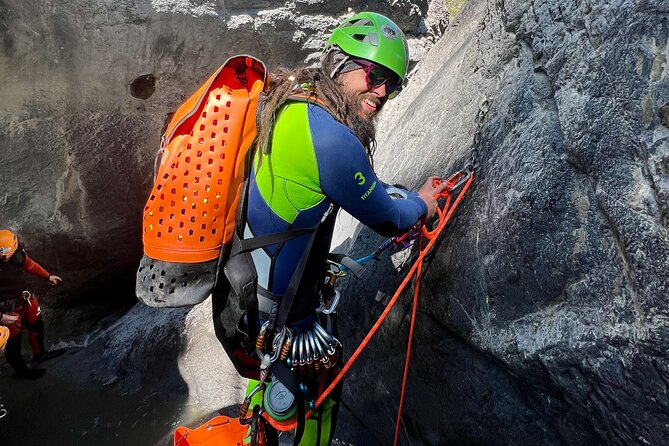
The footwear rule is strict for good reason. Bring trail-running shoes or light hiking shoes with a solid tread. Tennis shoes, water shoes, Crocs, sandals, and urban footwear are not accepted.
Your hiking shoes go into the canyon and may be fully submerged for several minutes. Do not wear your favorite leather boots or anything you cannot dry. Bring a second pair of dry shoes or sandals for the drive back, along with a towel and dry clothes.
In summer, a T-shirt and shorts or hiking pants usually work for the approach. In May and September, you may want a rain jacket, windbreaker, merino layer, or fleece layer. These extra layers stay in the vehicle until needed after the activity.
A bathing suit is useful for changing into the wetsuit, and an extra pair of underwear is a very good idea. Dry bags are supplied for clothing and possessions, but keep valuables to a minimum. There is no cafe or shop at the trailhead, so bring water and any snack you need before you start.
How the guides shape the experience
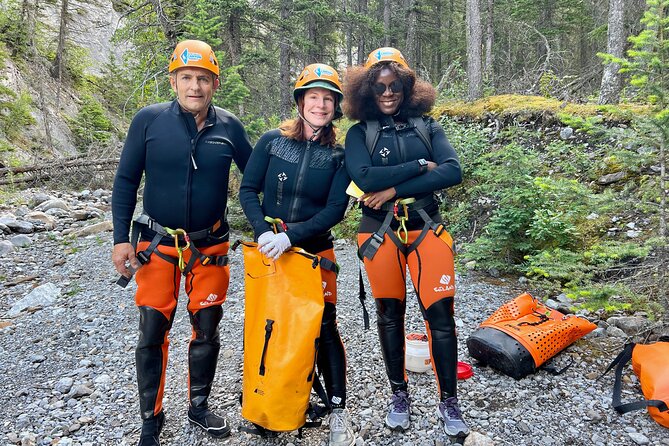
The equipment matters, but the guide is the heart of this trip. You need someone who can make safety instructions clear without turning the outing into a lecture, and who can encourage you without pushing too hard.
The strongest guide feedback names Brendan, Lawrence, Jitka, Pablo, Oliver, Mark, Kanishk, Kris, Zach, and others. Their shared strengths are patience, humor, calm rope handling, and useful local knowledge. Lawrence is praised for keeping the hike relaxed while becoming highly focused during technical sections. Kanishk is credited with staying upbeat on a cold day. Kris is praised for safety-first leadership and stories about the area.
A black bear was also encountered during one outing. The guide carried bear spray and directed the group to stay together, speak loudly, and appear large. You should always follow the guide’s wildlife instructions in the Rockies, even if most of your attention is fixed on the canyon.
Is $146.45 a fair price?
For a half-day activity, the price is not pocket change. But it includes the guide, wetsuit, neoprene socks, helmet, harness, dry bags, and all rappel equipment. You also receive a safety clinic and instruction throughout the canyon.
I would compare it with the cost and difficulty of arranging a guided canyon outing independently. You would need specialized equipment, local route knowledge, rope systems, and a guide capable of managing cold water and changing conditions. For a first canyoning experience, the package is reasonably priced.
The value is highest if you want active participation. If you mainly want waterfalls and scenery, the hike alone may be enough, and you may find the technical section too demanding. If you enjoy hiking, climbing, outdoor sports, or trying something unfamiliar, the price buys a memorable change from the usual Banff viewpoints.
Who should book Heart Creek Canyon?
Book this if you are at least 12, reasonably fit, and curious about rappelling. It is a strong choice for couples, families with older children, and first-timers who want a guided introduction rather than a full-day technical challenge.
You do not need previous rope experience, but you should be comfortable with heights and cold water. You should also be ready for a steep section on the approach, wet shoes, basic facilities, and four to five hours of physical activity.
This is not the best pick if you have a heart condition, poor balance, a serious fear of heights, or limited mobility. The group can skip the final rappel, but everyone still has to complete the approach hike and earlier canyon sections.
You can cancel for a full refund up to 24 hours before the local start time. Changes or cancellations inside that window are not refunded. If the company cancels because of unsafe weather or because the minimum number is not met, you are offered another date, another experience, or a full refund.
Should you book it?
Yes, if you want a real adventure close to Banff without needing technical experience. Heart Creek gives you a sensible learning curve, beautiful rock and water, and a final rappel that feels earned rather than thrown at you.
Book with proper footwear, a snack, a towel, dry shoes, and realistic expectations about the uphill hike. If you arrive prepared and let the guide control the pace, this is one of the more memorable ways to spend a half-day in the Bow Valley.
FAQ
How long does the Heart Creek Canyon tour take?
The experience lasts approximately four to five hours, including the approach hike, safety briefing, canyoning, and return to the trailhead.
Where does the tour meet?
It meets at the Heart Creek Trail parking lot near Heart Mountain, about 17 kilometers east of Canmore and 41 kilometers east of Banff.
Is pickup available from Banff or Canmore?
Pickup is offered, but availability is very limited in July and August. Pickup can usually be arranged from Canmore for people without a vehicle.
How difficult is the hike to the canyon?
The hike takes about one hour and is mostly straightforward, but the final part includes two short, steep sections. A moderate level of physical fitness is required.
Do I need previous rappelling experience?
No. The guides provide a mandatory rappel and rope safety clinic, and the shorter upper-canyon rappels help you practice before the longer drop.
How many rappels are included?
There are five rappels, along with scrambling, hiking, and slides.
Can I skip the final rappel?
Yes. The final wet rappel in the lower canyon is optional, and a hiking route around it is available.
What footwear should I bring?
Wear trail-running shoes or light hiking shoes with a good tread. Sandals, Crocs, water shoes, tennis shoes, and casual urban footwear are not permitted.
What equipment is supplied?
The tour supplies a professional guide, wetsuit, neoprene socks, helmet, harness, rappel equipment, rappel instruction, and dry bags for clothing and possessions.
Just added around Canada
- Montreal Bungee: The highest bungee jump in Canada★ 5.0 · 2 reviews
- Kelowna: Adrenaline Canyoning Tour★ 4.9 · 34 reviews
- Kelowna: Adventure Canyoning Tour★ 5.0 · 2 reviews
- Heart Creek Canyoning tour – Beginner friendly – Near Banff★ 5.0 · 5 reviews
- Tyroparc: Via Ferrata and Hiking in the Laurentians★ 5.0 · 5 reviews
- Adrenaline Canyoning Tour★ 4.2 · 2 reviews
- Squamish Via Ferrata Adventure★ 5.0 · 71 reviews
- Adrenaline Canyoning Kelowna★ 5.0 · 98 reviews
Canyoning Tours, compared.
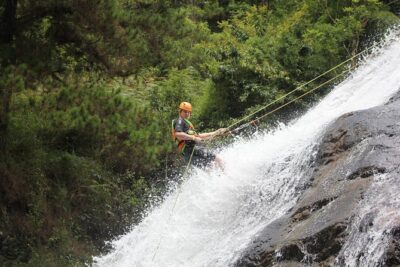
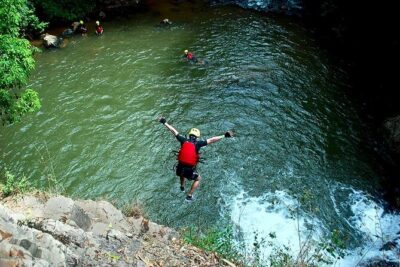
Full Day Canyoning Activity in Da Lat with Lunch
Read our review →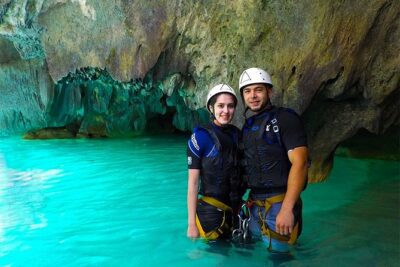
Matacanes : Canyoning + Hiking + Water Jumps + Rappel + Caves
Read our review →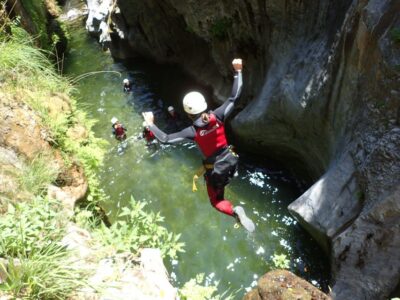
Browse the lists this tour appears in